Trust me when I say: mastering the Perfect Classic Omelette Recipe is a game-changer for your breakfast (or anytime meal) routine. This simple, quick, and oh-so-delicious dish has a way of making you feel like a kitchen pro without any fuss. Stick with me, and I’ll walk you through every step to nail that fluffy, tender, foldable omelette you’ve been dreaming about. Ready? Let’s dive in!
Why You’ll Love This Recipe
- Simplicity at Its Best: A few ingredients, minimal steps, and the results always impress.
- Versatility: You can customize fillings to suit your mood or pantry.
- Fast and Fabulous: From cracking eggs to plating up takes under 10 minutes.
- Foolproof Techniques: I’ll share my personal hacks so yours turns out perfect every time.

Ingredients You’ll Need
Choosing fresh, quality ingredients truly elevates your Perfect Classic Omelette Recipe. I always lean on simple basics and love sharing my favorite filling ideas later so you can make this your own culinary masterpiece.
- Large eggs: The star of the show — fresh, large eggs give the best texture and flavor.
- Sea salt and freshly ground black pepper: Essential for seasoning and bringing out the egg’s natural richness.
- Butter or extra-virgin olive oil: I prefer butter for that classic richness but olive oil works great for a lighter finish.
- Desired fillings: Cheese, sautéed veggies, herbs, ham — the sky’s the limit! I’ll share my go-tos below.
Variations
One of the joys of the Perfect Classic Omelette Recipe is how adaptable it is — I’ve enjoyed countless versions depending on what’s in my fridge or my mood that day. Don’t be afraid to experiment!
- Cheese Lover’s Omelette: Melting Swiss or sharp cheddar inside makes this feel extra indulgent — my family goes crazy for it.
- Veggie Packed: I often sauté spinach, mushrooms, and tomatoes to slip in some greens and flavor.
- Herbs Galore: Fresh chives, parsley, or tarragon tossed in as garnish give a fresh, aromatic twist.
- Protein Boost: Adding diced ham, smoked salmon, or cooked sausage makes this a hearty meal any time of day.
- Dairy-Free & Vegan: For a twist, try chickpea flour batter or scrambled tofu with spices instead.
How to Make Perfect Classic Omelette Recipe
Step 1: Whisk Your Eggs Until Smooth and Fluffy
Start by cracking your eggs into a medium bowl. Whisk them vigorously until the whites and yolks meld into a uniform, slightly frothy mixture—that lightness helps your omelette hold its fluffy texture. Season with a pinch of sea salt to bring out the depth in flavor right from the start.
Step 2: Heat Your Pan and Prep for the Pour
Heat an 8-inch nonstick skillet over medium heat. Add a small pat of butter or a drizzle of olive oil, swirling it around the pan to coat it evenly. This step is key — a well-coated surface makes your omelette slide out perfectly and prevents sticking. When the fat is melted and shimmering (but not smoking!), you’re good to go.
Step 3: Pour and Cook Gently
Pour the eggs into the pan and immediately lower the heat to medium-low to avoid burning or drying out the eggs. Let them cook undisturbed for about 10 seconds until the edges start to set. Then, using your spatula, carefully push the set edges toward the center while tilting the pan to let uncooked egg flow to the edges. This gentle layering creates that soft, tender texture we all love.
Step 4: Add Fillings and Fold
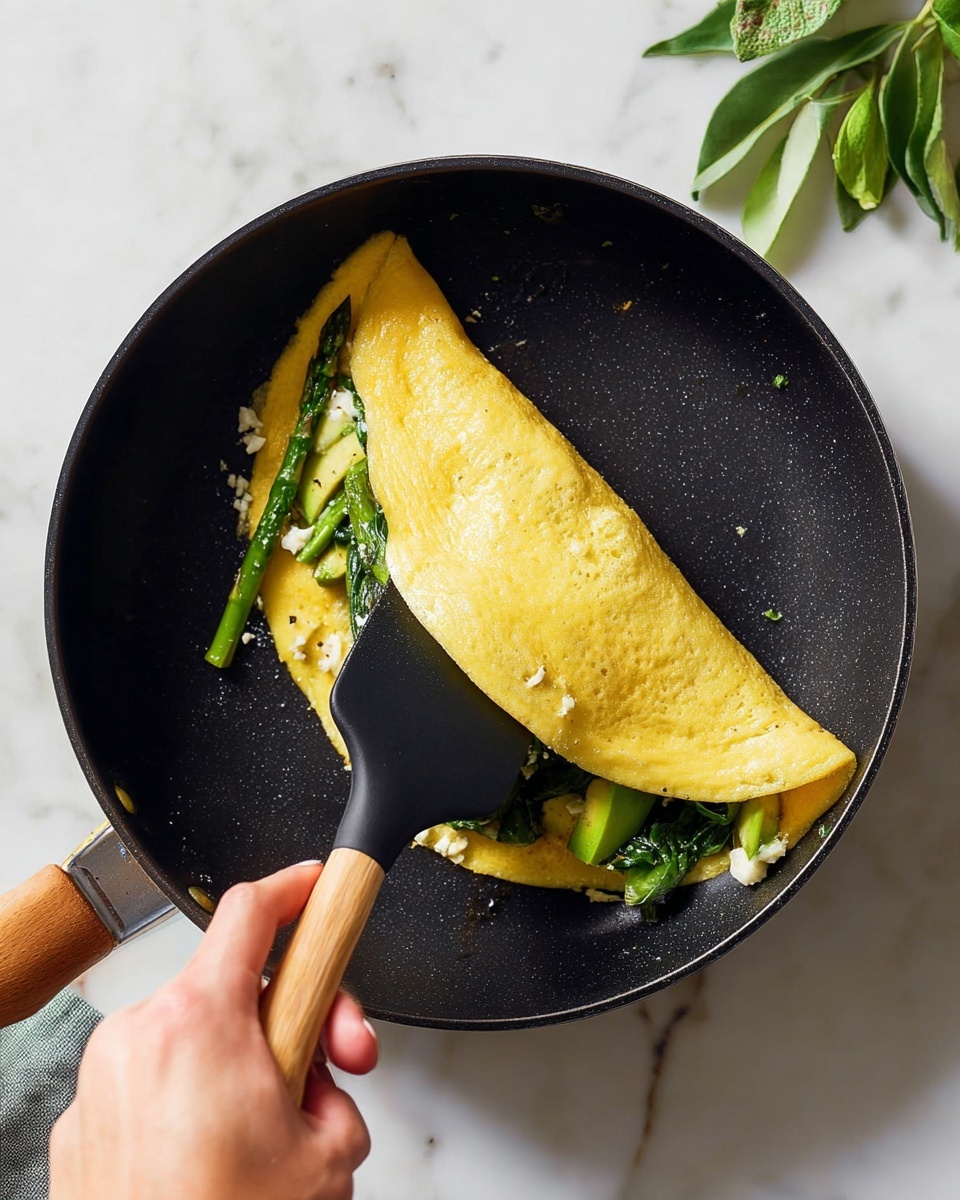
Once the eggs are mostly set but still a touch glossy on top, sprinkle your favorite fillings over one half. I like to go easy here — less is more to keep the omelette from breaking. Fold the empty half over the fillings, press down lightly, and cook for another 30 seconds until just set. Remove from heat before it gets too firm — you want that silky, tender bite.
Pro Tips for Making Perfect Classic Omelette Recipe
- Use Fresh Eggs: I’ve noticed the texture really improves when eggs are fresh — they’re easier to whisk and fluffier when cooked.
- Low and Slow: Cooking slowly at medium-low heat ensures tender eggs without browning or tough edges.
- Nonstick Pan is a Must: It saves you so much stress when folding and flipping — mine has been a kitchen MVP for years.
- Don’t Overfill: Less filling means your omelette folds neatly without breaking — trust me, it makes all the difference!
How to Serve Perfect Classic Omelette Recipe
Garnishes
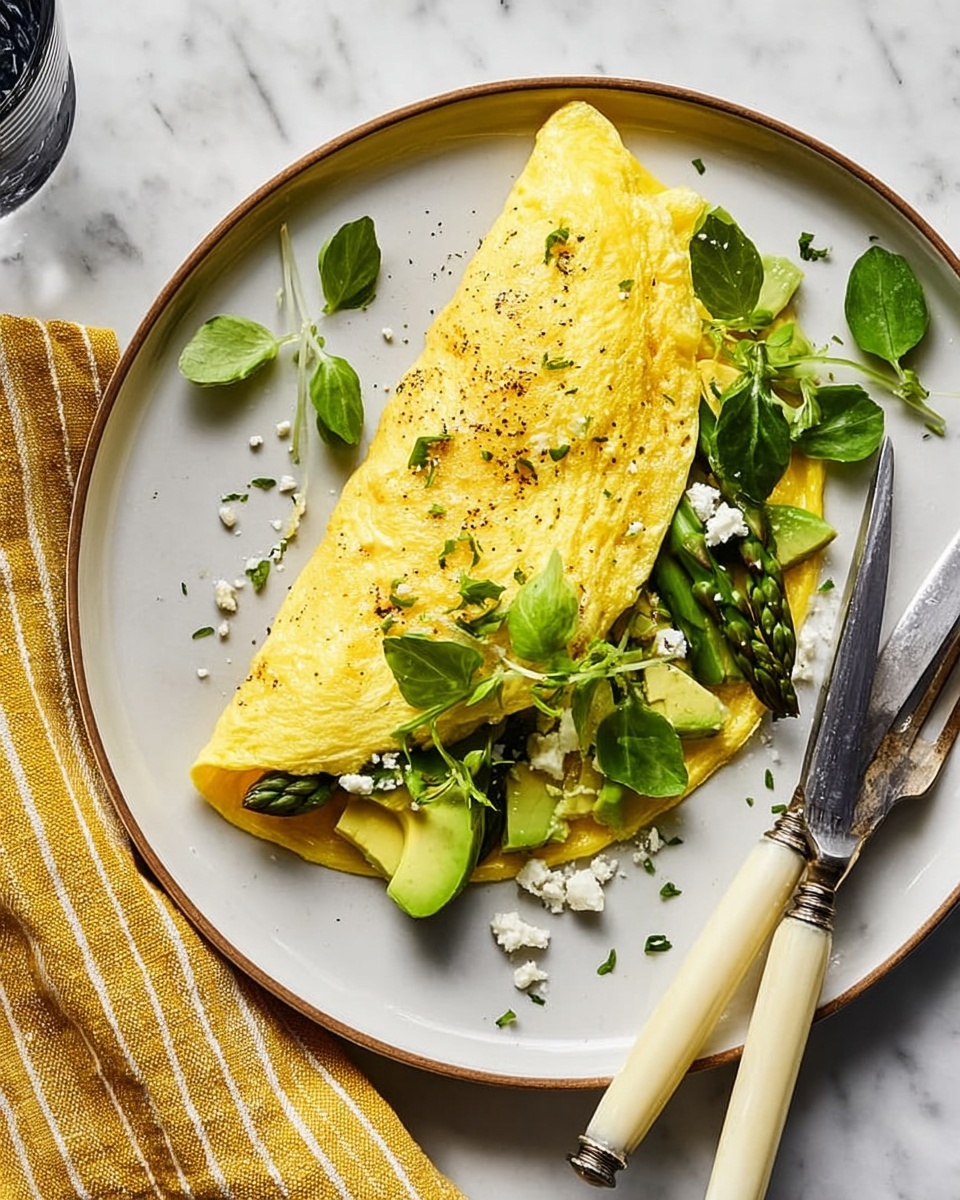
I love sprinkling fresh herbs like chives or parsley on top — they add brightness and a pop of color that makes the plate look inviting. Sometimes a quick dusting of flaky sea salt or a dab of hot sauce gets my taste buds jumping too.
Side Dishes
This omelette pairs beautifully with a crisp green salad, roasted potatoes, or simply toasted crusty bread for scooping up every last bite. On lazy weekends, I enjoy it alongside fresh fruit and a strong cup of coffee — it feels like a little celebration on a plate.
Creative Ways to Present
For special occasions, I like folding the omelette into a neat envelope shape and topping it with a spoonful of crème fraîche and smoked salmon slices. It impresses guests and feels fancy without any extra fuss — give it a try when you want to elevate the classic.
Make Ahead and Storage
Storing Leftovers
Omelettes are best enjoyed fresh, but if you do have leftovers, I store them in an airtight container in the fridge for up to 24 hours. That way, they stay soft and don’t dry out.
Freezing
I don’t usually freeze omelettes since the texture changes, but if you want to, wrap them tightly in plastic wrap and place in a freezer-safe bag for up to one month. Thaw slowly in the fridge before reheating.
Reheating
Reheat leftovers gently in a skillet over low heat, covering the pan to trap steam and prevent drying — microwaving works too but can toughen the eggs if you’re not careful. I prefer the stovetop method for that just-made texture.
FAQs
-
What’s the best pan to use for a perfect omelette?
I swear by a good 8-inch nonstick skillet — it’s the perfect size to spread the eggs evenly, and the nonstick surface makes folding and flipping super easy. A well-seasoned small cast iron can work too, but nonstick is easier for beginners.
-
How do I avoid overcooking my omelette?
Lower the heat to medium-low right after pouring the eggs and watch closely — remove the pan from heat just before the eggs are fully set as they’ll continue cooking from residual heat. This keeps the texture soft and silky.
-
Can I prepare the filling in advance?
Absolutely! Preparing fillings like sautéed mushrooms or diced ham ahead of time speeds up the cooking process. Just warm them slightly before adding to the eggs for the best results.
-
Is it necessary to whisk eggs thoroughly?
Yes, whisking combines the whites and yolks completely and incorporates a bit of air, which gives the omelette a light and tender texture. A quick vigorous whisk right before cooking makes a noticeable difference.
-
What fillings do you recommend for picky eaters?
Keep it simple with mild cheese like mozzarella or cheddar and finely chopped ham or cooked bacon. You can also sneak in finely chopped veggies like bell peppers or spinach — just cooked down to reduce bite-size surprises!
Final Thoughts
I absolutely love how this Perfect Classic Omelette Recipe turns out every single time — it’s comforting, quick, and endlessly tweakable to suit your taste buds. When I first tried this simple method, I was amazed at how such basic ingredients could create something so delicious and elegant. Give it a go like you’re cooking alongside me, and soon your kitchen will be buzzing with compliments from family and friends. You’ll see: this recipe will become your go-to anytime you want that cozy, satisfying meal made just right.
Print
Perfect Classic Omelette Recipe
- Prep Time: 5 minutes
- Cook Time: 5 minutes
- Total Time: 10 minutes
- Yield: 1 serving
- Category: Breakfast
- Method: Stovetop
- Cuisine: French
- Diet: Low Fat
Description
A classic, fluffy omelette made with fresh eggs, lightly seasoned and cooked gently in butter or olive oil. Customize with your favorite fillings for a versatile and satisfying meal perfect for breakfast, lunch, or dinner.
Ingredients
Eggs and Seasoning
- 2 large eggs
- Sea salt, to taste
- Freshly ground black pepper, to taste
For Cooking
- Butter or extra-virgin olive oil, for the pan
Optional Fillings
- Desired fillings such as cheese, vegetables, cooked meats, or herbs (optional and based on preference)
Instructions
- Prepare the eggs: Crack the eggs into a medium bowl and whisk vigorously until the yolks and whites are fully combined and slightly frothy. Season with a pinch of sea salt.
- Heat the pan: Place an 8-inch nonstick skillet over medium heat. Add a small pat of butter or drizzle olive oil into the pan, swirling to coat the surface evenly.
- Cook the eggs: Pour the beaten eggs into the pan and immediately reduce the heat to medium-low. Let the eggs cook undisturbed for about 10 seconds until the edges begin to set.
- Shape the omelette: Using a spatula, gently push the cooked edges of the eggs toward the center, allowing the uncooked egg to flow to the edges. Tilt the pan as needed to help this process. Continue until the edges thicken and create an even layer.
- Set the omelette: Let the eggs cook without stirring until mostly set but still slightly runny on top.
- Add fillings and fold: Place your desired fillings on one half of the omelette. Carefully fold the other half over the fillings with the spatula.
- Finish cooking: Cook for another minute or until the eggs are fully set but tender. Remove from heat, season with additional salt and pepper if desired, and serve immediately.
Notes
- Learn how to make an omelet! It’s quick, easy, and delicious for any meal of the day.
- Filling options are endless — try cheese, mushrooms, spinach, ham, tomatoes, or fresh herbs.
- Use a nonstick skillet and moderate heat for the best texture and easy folding.
- For fluffier omelettes, whisk eggs thoroughly and avoid overcooking.
Nutrition
- Serving Size: 1 omelette (approx. 2 eggs with butter or oil)
- Calories: 220
- Sugar: 1 g
- Sodium: 150 mg
- Fat: 18 g
- Saturated Fat: 6 g
- Unsaturated Fat: 10 g
- Trans Fat: 0 g
- Carbohydrates: 1 g
- Fiber: 0 g
- Protein: 14 g
- Cholesterol: 370 mg