If you’re craving a dish that’s bursting with flavor but also comes together quickly on a busy weeknight, my Korean Beef Bulgogi Rice Bowls Recipe is your new best friend. I absolutely love how this recipe blends savory, sweet, and umami-packed marinade with tender ground beef, fresh veggies, and rice for a meal that feels both comforting and exciting. Whether you’re new to Korean flavors or already hooked, this recipe is straightforward, uses accessible ingredients, and delivers big on taste—trust me, your family and friends will go crazy for it!
Why You’ll Love This Recipe
- Speedy and Easy: Ready in about 25 minutes, it’s perfect for busy nights when you want something homemade.
- Bold, Balanced Flavors: The mix of grated apple and onion in the sauce adds a natural sweetness and depth you wouldn’t expect from ground beef.
- Flexible and Customizable: You can swap veggies or toppings based on what you have on hand or your dietary preferences.
- Family Favorite: Once I started making this, it quickly became a staple in my weekly rotation because everyone loves it.

Ingredients You’ll Need
All these ingredients work harmoniously to create authentic bulgogi flavors with a modern twist. When shopping, I recommend picking a fresh red apple with some crispness for that perfect sweet tang, and fresh ginger and garlic to punch up the aromatics.
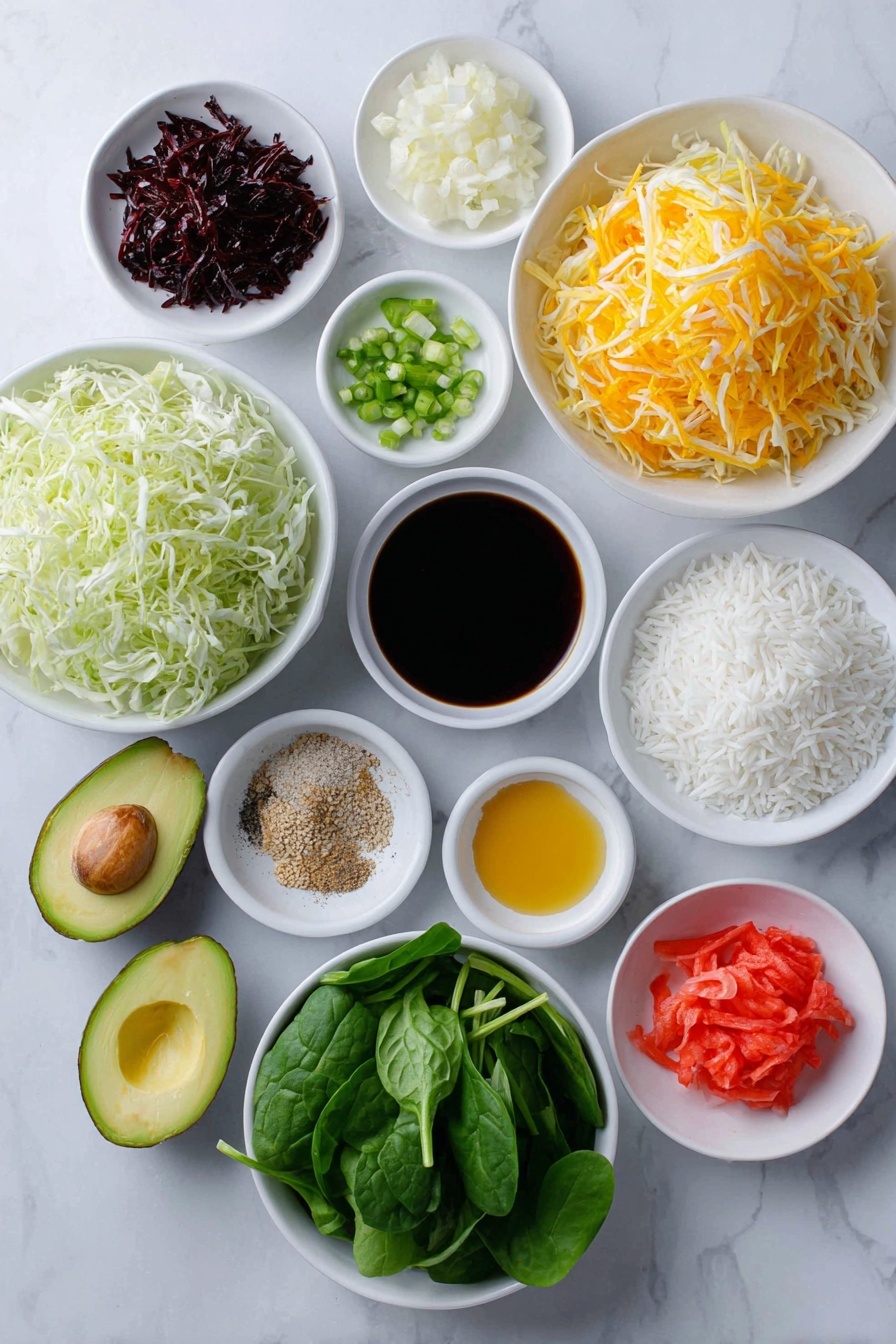
- Beef mince: Any fat percentage works, but I like a bit of fat for juiciness and flavor.
- Canola oil: A neutral oil helps everything cook evenly without overpowering the flavors.
- Onion: Finely grated for maximum flavor without the texture of raw chunks.
- Red apple: Grated with the skin on for natural sweetness and tenderizing juices.
- Garlic cloves: Freshly grated garlic amps up the savory depth—no shortcuts here!
- Ginger: Grated ginger adds a subtle zing and warmth that’s essential.
- Soy sauce: I use all-purpose or light; it’s the base of the umami-rich marinade.
- Sesame oil: A little goes a long way in lending that signature nutty aroma.
- Mirin: Adds mild sweetness and depth; you can omit or substitute for no-alcohol.
- Brown sugar: Balances the salty soy sauce and brings caramel notes.
- Black pepper: Just a touch for background spice.
- Rice vinegar: Brightens the drizzle sauce with a hint of tang.
- White rice: Medium or short grain works best to soak up all that delicious sauce.
- Baby spinach: I love how it wilts quickly and keeps the bowl fresh and vibrant.
- Carrot: Julienned or grated for crunchy texture and color.
- Avocado: Mashed for creaminess that pairs beautifully with the spicy beef.
- Pickled ginger: Pink pickled ginger is my go-to for a pop of color and tangy contrast.
- Baby cos / romaine lettuce: Adds freshness and crunch on the side.
- White sesame seeds: Toasted if you can, for nuttiness and a lovely finish.
- Green onion: Thinly sliced as a bright garnish.
Variations
I like to tweak this Korean Beef Bulgogi Rice Bowls Recipe based on what’s in my fridge or the season. Don’t be shy—make it your own by swapping proteins, adding extra veggies, or dialling the spice up or down. Here’s what I’ve done to keep things interesting over time.
- Protein swap: Tried this with ground turkey or chicken for a lighter version—still delicious and quick.
- Vegetarian twist: Use firm tofu or tempeh instead of beef, marinated in the same sauce for an awesome meat-free meal.
- Extra veggies: Sauté mushrooms or bell peppers with the beef for more depth and nutrition.
- Spicy kick: Add a teaspoon of gochujang (Korean chili paste) to the bulgogi sauce for heat; beginners might want to start with a little!
How to Make Korean Beef Bulgogi Rice Bowls Recipe
Step 1: Mix Your Magic Sauces
Start by whisking together the Bulgogi sauce ingredients in one bowl—this includes the grated onion and apple, garlic, ginger, soy sauce, sesame oil, mirin, brown sugar, and pepper. Trust me on the grated apple and onion—they add a natural sweetness and depth that’s pure magic and a huge part of why this recipe stands out. Then, mix the rice bowl drizzle sauce in a separate bowl with soy sauce, sesame oil, brown sugar, and rice vinegar to brighten up the final dish.
Step 2: Wilt the Spinach Perfectly
Heat 2 teaspoons of canola oil in a large non-stick pan over high heat. I like to add half the baby spinach first, tossing it with tongs until it’s just wilted—about 30 seconds—then add the rest and wilt it a little longer. Removing it while still vibrant prevents it from getting soggy in the bowl later. This quick step keeps your greens fresh and full of color.
Step 3: Cook the Bulgogi Beef to Perfection
Add 1 tablespoon of oil to the same pan and keep the heat high. Toss in your ground beef, breaking it up with a wooden spoon. Cook until you see that the raw pink has disappeared—this usually takes about 4-5 minutes. Then, pour in the Bulgogi sauce and let it simmer rapidly. Stir occasionally, letting the sauce reduce and cling to the meat. When it’s mostly evaporated, keep stirring until the beef gets some caramelized edges but remains juicy and luscious. That caramelization is what makes this dish addictive, so don’t rush it!
Step 4: Assemble Your Rice Bowls
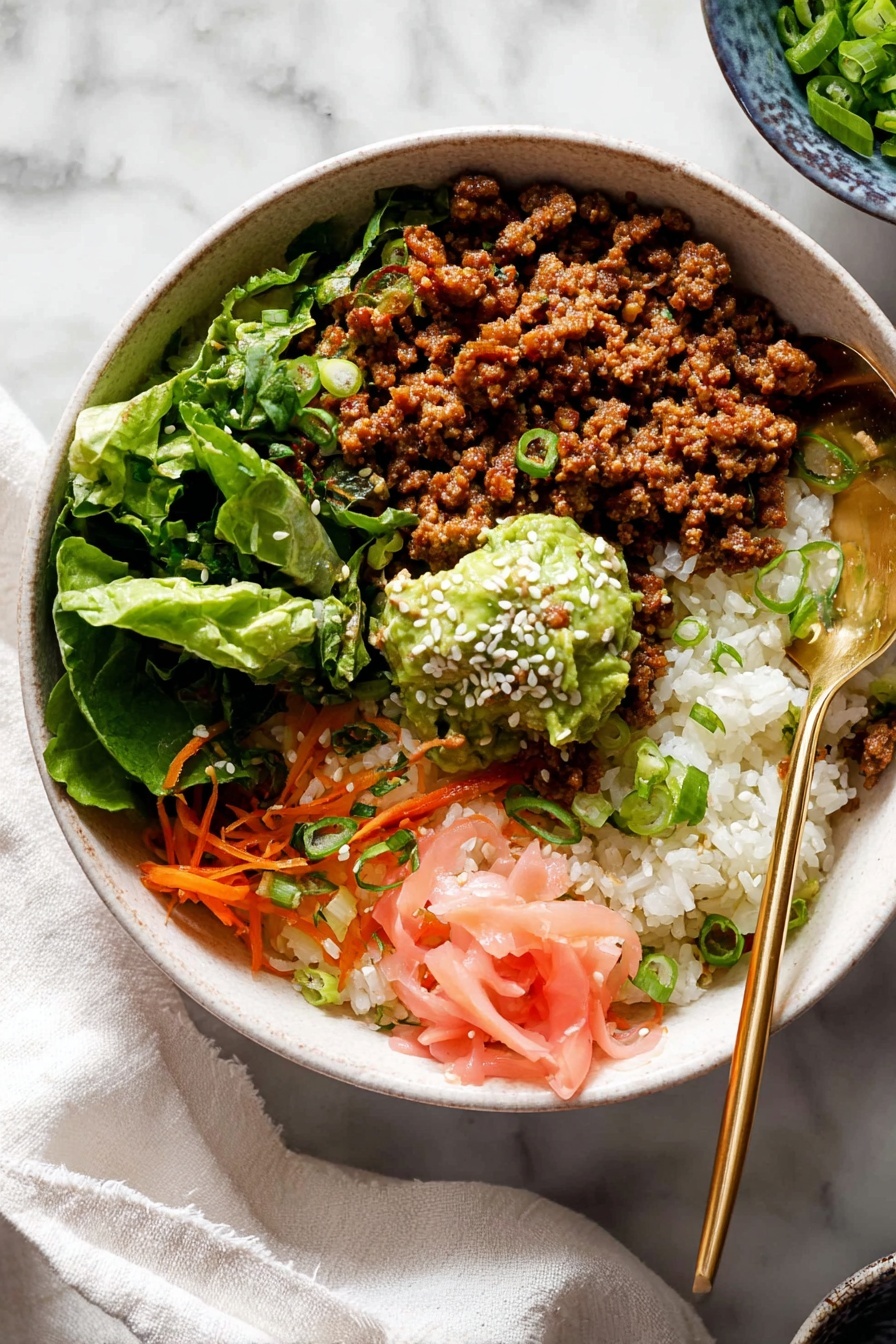
Time to build your bowl! Spoon a helping of steamed white rice into each bowl, then layer with wilted spinach and julienned carrot. Add a generous dollop of mashed avocado and tuck in some torn baby cos or romaine lettuce. Scatter pickled ginger across the top along with a sprinkle of toasted white sesame seeds and sliced green onion for that final pop of flavor and texture. Drizzle the rice bowl sauce over everything just before diving in—it really pulls all the components together beautifully.
Pro Tips for Making Korean Beef Bulgogi Rice Bowls Recipe
- Use Freshly Grated Ingredients: Grating the apple and onion fine using a microplane really unlocks their sweetness and infuses the beef more effectively.
- Go High Heat for Caramelization: Cooking the beef on high heat allows that gorgeous browning without drying it out—just keep it moving!
- Wilt Spinach Just Right: A quick toss on high heat keeps it vibrant and prevents sogginess in your bowl.
- Don’t Skip the Drizzle Sauce: That final sauce brightens flavors and ties all the ingredients together—too good to miss!
How to Serve Korean Beef Bulgogi Rice Bowls Recipe
Garnishes
My go-to garnishes are thinly sliced green onions and a sprinkle of white sesame seeds—they add freshness and a delightful crunch. I also love adding pink pickled ginger for a vibrant pop of color and a tangy balance to the savory meat. If you want a touch of heat, a drizzle of sriracha or a few shards of chili flakes work wonders.
Side Dishes
I often serve this bulgogi bowl with classic Korean side dishes like kimchi or a simple cucumber salad tossed in sesame oil and rice vinegar. Steamed edamame or a light miso soup also complement it nicely without stealing the spotlight.
Creative Ways to Present
For special occasions, I like to serve this in stone bowls to keep everything warm longer and create a more authentic Korean dining experience. Topping the bowl with a perfectly fried egg adds richness. If I’m feeling fancy, I arrange the veggies and beef in neat sections before mixing—makes it Instagram-worthy and fun to eat!
Make Ahead and Storage
Storing Leftovers
Leftover cooked bulgogi beef stores beautifully in the fridge for up to three days. I like to keep it in an airtight container, and sometimes add a splash of water when reheating to keep the beef moist and succulent.
Freezing
I’ve frozen cooked bulgogi beef successfully for up to three months. Just portion it out in freezer-safe containers or bags. When you’re ready, thaw overnight in the fridge for best texture and flavor.
Reheating
I reheat leftovers gently in a pan over medium heat with a splash of water or a few drops of sesame oil to revive the flavors and prevent drying out. Avoid microwaving for too long, or the meat dries out quickly.
FAQs
-
Can I use a different cut of beef instead of ground beef for this recipe?
Absolutely! Traditionally, bulgogi uses thinly sliced ribeye or sirloin. If you want to use sliced beef, marinate it for at least 30 minutes before quick-cooking in a hot pan. However, ground beef keeps things simple and cooks quickly while still soaking up all those delicious flavors.
-
What can I substitute for mirin if I don’t have any?
You can substitute mirin with a mix of light cooking wine (like Chinese cooking wine or sake) plus a pinch of brown sugar. If you prefer to avoid alcohol, simply omit it—the bulgogi sauce will still be flavorful due to the apple, soy sauce, and garlic.
-
Is it okay to use dark soy sauce instead of light soy sauce in this recipe?
It’s best to stick with light or regular soy sauce because dark soy sauce is much stronger and sweeter, which can overpower the delicate balance of the bulgogi marinade. If you want a gluten-free option, tamari works well as a substitute.
-
Can I make this recipe spicy?
Definitely! I sometimes add a spoonful of Korean gochujang (chili paste) either into the bulgogi marinade or drizzle on top before serving. Just start with a small amount if you’re sensitive to heat, and adjust to taste.
-
What type of rice works best for Korean Beef Bulgogi Rice Bowls Recipe?
I recommend medium or short grain white rice because it’s sticky enough to hold the bowl together without being mushy. Jasmine rice is a decent option if it’s all you have, but it won’t have quite the same texture.
Final Thoughts
This Korean Beef Bulgogi Rice Bowls Recipe is one of those gems I turn to whenever I want an easy, tasty meal that feels a little special but isn’t complicated. The first time I made it, I was amazed at how the simple addition of grated apple and onion in the sauce transformed the beef into something incredibly flavorful and tender. You’ll enjoy how fast it comes together and how flexible it is to suit your taste. So next time you’re craving Korean flavors or just want to try something new, give this recipe a go—I can guarantee it’ll become a favorite in your kitchen too!
Print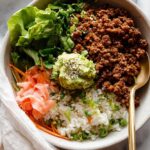
Korean Beef Bulgogi Rice Bowls Recipe
- Prep Time: 15 minutes
- Cook Time: 10 minutes
- Total Time: 25 minutes
- Yield: 4 – 5 servings
- Category: Main Course
- Method: Stovetop
- Cuisine: Korean
Description
These Korean Beef Bulgogi Rice Bowls offer a quick and easy way to enjoy the vibrant flavors of traditional bulgogi with ground beef. Featuring a homemade bulgogi sauce made with grated onion and apple for authentic sweetness, the recipe balances savory, sweet, and tangy elements. Served over fluffy white rice with wilted baby spinach, fresh carrot, avocado, pickled ginger, and crisp lettuce, it makes a wholesome and colorful meal perfect for any weeknight.
Ingredients
Beef and Vegetable
- 500g / 1 lb beef mince (ground beef), any fat % you like
- 1 tbsp canola oil or any other plain flavored oil, plus 2 tsp for wilting baby spinach
- 4 large handfuls baby spinach (or similar chopped leafy greens – cabbage, kale)
- 1 large carrot, peeled and julienned or grated
- 1 avocado, mashed
- 1/4 cup pickled ginger (preferably pink)
- 1 1/2 cups baby cos / romaine lettuce, torn into bite-size pieces
- 1 tsp white sesame seeds
- 1 green onion, finely sliced
Bulgogi Sauce
- 1 tbsp onion, finely grated (~1/4 onion)
- 3 tbsp red apple, finely grated (skin on is fine, ~1/2 apple)
- 3 garlic cloves, finely grated
- 1 tsp ginger, finely grated
- 2 1/2 tbsp soy sauce – all-purpose or light
- 1 tbsp sesame oil
- 1 tbsp mirin (omit for no alcohol)
- 1 tbsp brown sugar
- 1/8 tsp black pepper
Rice Bowl Drizzle Sauce
- 2 tbsp soy sauce – all-purpose or light
- 1 tbsp sesame oil
- 2 tsp brown sugar
- 2 tsp rice vinegar (or apple cider vinegar)
Rice
- White rice (medium or short grain), cooked
Instructions
- Prepare the Sauces: In one bowl, mix together all the ingredients for the bulgogi sauce, ensuring the grated onion and apple are well combined for maximum flavor. In a separate bowl, whisk together the ingredients for the rice bowl drizzle sauce. Set both aside.
- Wilt the Spinach: Heat 2 teaspoons of oil in a large non-stick pan over high heat. Add half of the baby spinach and toss with tongs until semi-wilted, about 30 seconds. Add the remaining spinach and continue tossing until fully wilted, approximately another minute. Transfer the spinach to a bowl and set aside.
- Cook the Bulgogi Beef: Add 1 tablespoon of oil to the same pan and keep the heat on high. Add the ground beef and start breaking it up with a spatula, cooking until there is no visible raw meat left. Pour in the prepared bulgogi sauce, stirring occasionally as it simmers rapidly. Allow the sauce to mostly evaporate and continue stirring regularly until the beef develops a slight caramelized crust but remains moist and flavorful from the sauce.
- Assemble the Rice Bowls: Spoon cooked white rice into serving bowls. Top with the cooked bulgogi beef, wilted spinach, and julienned carrot. Add a dollop of mashed avocado and place pickled ginger on top. Tuck the torn lettuce along the side of the bowl. Finish by sprinkling with white sesame seeds and sliced green onion. Serve the rice bowl drizzle sauce alongside for drizzling over the assembled bowls before mixing and eating.
Notes
- Apple and Onion: Finely grate using a microplane or box grater for maximum flavor. Apple adds natural sweetness and tenderness, while grated onion infuses deeper flavor than chopped onion.
- Soy Sauce: Use all-purpose or light soy sauce. Tamari can be substituted for gluten-free needs. Avoid dark soy sauce or kecap manis as they overpower the dish.
- Mirin Substitute: Use Chinese cooking wine or cooking sake with 1/2 tsp brown sugar, or omit entirely if avoiding alcohol. This adds a subtle layer of flavor.
- Leftovers: Store cooked bulgogi beef in fridge for up to 3 days or freeze for 3 months. Add a splash of water when reheating to retain moisture.
Nutrition
- Serving Size: 1 bowl (including 1 cup cooked rice and toppings)
- Calories: 450 kcal
- Sugar: 8 g
- Sodium: 700 mg
- Fat: 18 g
- Saturated Fat: 4.5 g
- Unsaturated Fat: 12 g
- Trans Fat: 0 g
- Carbohydrates: 45 g
- Fiber: 5 g
- Protein: 25 g
- Cholesterol: 65 mg