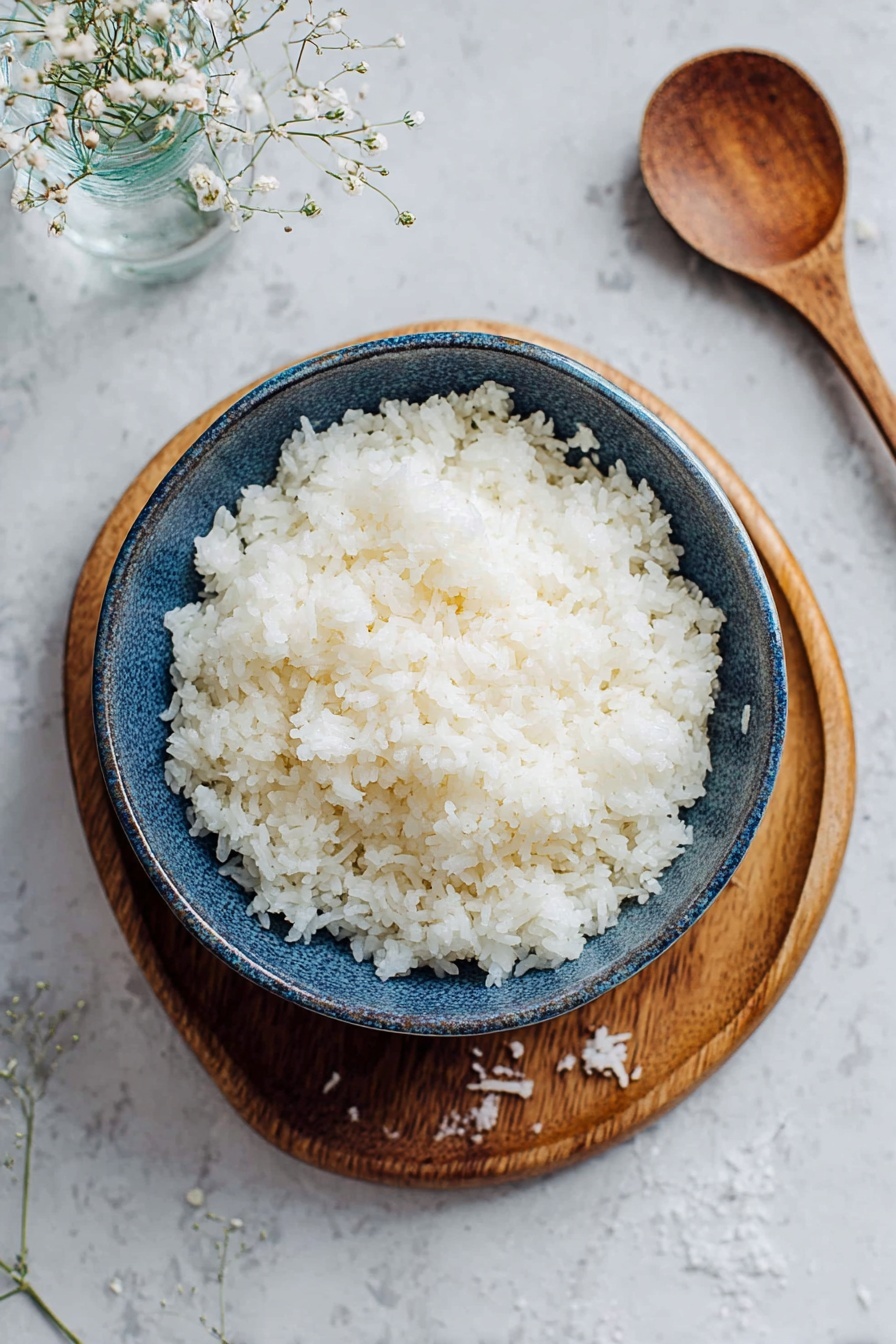
If you’re like me and sushi nights are a cherished tradition, you’ll know that the trick to restaurant-quality rolls starts with the rice. That’s why I’m super excited to share my easy, fail-proof How to Make Perfect Sushi Rice Recipe with you. Once you master this, your homemade sushi will taste authentic, sticky yet fluffy, and bursting with flavor—every single time!
Why You’ll Love This Recipe
- Authentic Texture: You’ll get perfect sticky yet fluffy sushi rice every time—no more mushy or dry rice.
- Simple Ingredients: Just a handful of pantry staples create a flavor that rivals top sushi spots.
- Beginner-Friendly: I used to struggle with sushi rice, but this method is forgiving and easy to follow.
- Versatile Use: Beyond sushi, this rice works wonderfully in poke bowls and even fried rice.

Ingredients You’ll Need
The beauty of this recipe lies in the simplicity and balance of its ingredients. Every component plays a role in getting that signature subtle tang and perfect stickiness typical of sushi rice. When you shop, look for quality sushi rice and good rice vinegar to elevate the flavor.

- Sushi Rice: Look for Japanese short-grain rice labeled ‘sushi rice’—it’s essential for the right texture and stickiness.
- Water: Crucial for cooking rice perfectly; the amount depends on whether you use a rice cooker or stovetop method.
- Rice Vinegar: This gives sushi rice its classic tang—don’t substitute with other vinegars, as it changes the flavor.
- Sugar: Balances out the vinegar’s acidity and adds a hint of sweetness.
- Salt: Enhances flavor and rounds out the sushi vinegar mixture.
Variations
One of the best things about mastering how to make perfect sushi rice is that it becomes your sushi canvas. I’ve played with various tweaks based on mood, diet, and occasion, but these are my favorite go-tos.
- Low-Sugar Version: When I’m watching sugar intake, I sometimes halve the sugar in the vinegar mix—still delicious!
- Vegan Friendly: This recipe is naturally vegan, but you can add dried seaweed flakes for an extra umami boost.
- Flavored Rice: Try infusing the cooking water with a strip of kombu seaweed for subtle ocean notes.
How to Make How to Make Perfect Sushi Rice Recipe
Step 1: Rinse and Soak the Rice
Start by placing your sushi rice in a large bowl and washing it under cold running water. Move the rice gently in a circular motion with your hand—that’s a tip I learned to speed things up and get rid of excess starch. Continue rinsing until the water runs clear. Then, drain thoroughly using a sieve. Soaking the rice for about 30 minutes before cooking really helps it absorb water evenly, giving you perfectly tender grains.
Step 2: Cooking the Rice — Two Easy Ways
Now, depending on your kitchen setup, you can either use a rice cooker or stovetop. I’m a rice cooker fan because it’s foolproof, but both methods work beautifully once you nail the water-to-rice ratio.
- Rice Cooker Method: Place the soaked rice along with 1 ½ cups plus 1 tablespoon (375ml) of water into the cooker. If your machine has a sushi rice setting, use it. Once cooked, keep the lid closed and let the rice steam for another 10-15 minutes—this step is key to fluffy rice!
- Stovetop Method: To your soaked rice, add 1 ⅜ cups (330ml) of water in a pot with a tight-fitting lid. Bring it to a boil, then lower to the gentlest simmer and cook for 8 minutes without lifting the lid. After cooking, remove the pot from heat and let it rest, still covered, for 10-15 minutes.
Step 3: Prepare Your Sushi Vinegar
While your rice is cooking, mix together ¼ cup rice vinegar, 2 tablespoons sugar, and 1 teaspoon salt in a small saucepan. Heat gently until it just starts to boil, then turn off the heat and stir until the sugar dissolves completely. This easy vinegar seasoning is what gives the rice that unmistakable sushi flavor I love.
Step 4: Season and Cool the Rice
When the rice is done and still warm, transfer it to a large bowl. Pour your hot sushi vinegar evenly over the rice, then gently fold the rice and vinegar together using a wooden spatula or rice paddle. Don’t mash or stir too roughly—you want to keep the grains intact and glossy. To stop it from drying out, cover the bowl with a damp tea towel and let the rice cool at room temperature. This is the moment I always get so excited—the rice smells amazing and tastes like something straight out of Tokyo!
Pro Tips for Making How to Make Perfect Sushi Rice Recipe
- Use a Wooden Spatula: Folding with a wooden spatula instead of a spoon helps keep the rice grains from breaking apart.
- Don’t Skip the Soak: Soaking soaked rice might seem like extra time, but it makes a world of difference in texture and helps prevent undercooked grains.
- Keep the Lid Closed: Whether cooking stovetop or rice cooker, avoid lifting the lid during cooking to keep the steam trapped and rice perfectly cooked.
- Serve at Room Temperature: Sushi rice is best enjoyed at room temp—cold rice loses its texture and flavor quickly.
How to Serve How to Make Perfect Sushi Rice Recipe

Garnishes
I love topping my sushi rice with toasted sesame seeds—they add a subtle nuttiness and crunch. Sliced green onions or a little sprinkle of furikake seasoning also take the rice to the next level. Seriously, these simple garnishes make all the difference when you’re plating sushi or even just enjoying a bowl.
Side Dishes
When I make sushi at home, I almost always pair this rice with miso soup and pickled ginger on the side. Some crisp cucumber sunomono salad or edamame beans round out the meal perfectly. These lighter sides balance the rice’s richness and make the whole experience feel restaurant-worthy.
Creative Ways to Present
For special occasions, I’ve served the rice in little individual sushi bowls called chirashi—just a bed of sushi rice topped with colorful sashimi, avocado, and cucumber slices. It’s a showstopper and makes for a stunning presentation that’s very easy to put together.
Make Ahead and Storage
Storing Leftovers
Fresh sushi rice is truly best enjoyed straight away. I’ve found that leftover rice stored in an airtight container in the fridge will harden and lose that perfect sushi texture by the next day, so I rarely keep it for rolls. However, if you do have leftovers, turning them into poke bowls or fried rice is a fantastic way to reduce waste and enjoy the flavors differently.
Freezing
Freezing sushi rice isn’t my favorite option because of texture changes, but if you have no choice, spread the rice flat in a shallow container to freeze quickly and thaw gently in the fridge overnight. Use it within a month for best results, though I recommend aiming to use fresh rice whenever possible!
Reheating
When reheating, sprinkle some water over the chilled rice and warm it gently in the microwave, covered with a damp paper towel to add moisture back. This helps revive the softness, but be gentle and avoid overheating to prevent drying out the rice.
FAQs
-
What type of rice is best for sushi rice?
Short-grain Japanese rice labeled as ‘sushi rice’ is best because of its high starch content that creates the sticky, slightly chewy texture needed for sushi.
-
Can I use regular white rice instead of sushi rice?
Regular long-grain or medium-grain white rice won’t have the same stickiness and won’t hold together well when making sushi rolls, so it’s best to stick with sushi rice.
-
How long does sushi rice last once cooked?
For best texture and flavor, eat sushi rice fresh on the day it’s made. Leftovers can be refrigerated up to three days but will harden and are better repurposed for dishes like poke bowls.
-
Why do I need to soak the rice before cooking?
Soaking allows the grains to absorb water evenly, which helps them cook uniformly soft and tender without breaking apart.
-
Can I make sushi rice without a rice cooker?
Absolutely! The stovetop method outlined here works just as well, with careful attention to water ratio and cooking time.
Final Thoughts
When I first tried making sushi rice at home, I was surprised by how tricky it seemed, but once I cracked the code with this simple recipe, it opened up a whole new world of sushi creativity for me. I love how approachable and rewarding it is, and I know you will too. So grab your rice cooker or pot, follow along, and enjoy perfect sushi rice that’ll impress your family and friends every time you serve it.
Print
How to Make Perfect Sushi Rice Recipe
- Prep Time: 40 minutes
- Cook Time: 10 minutes
- Total Time: 1 hour 50 minutes
- Yield: 4 servings (enough for 4-8 sushi rolls)
- Category: Side Dish
- Method: Stovetop
- Cuisine: Japanese
Description
Learn how to make perfect sushi rice every time using either a rice cooker or stovetop method. This guide provides step-by-step instructions to prepare fluffy, seasoned sushi rice, ideal for sushi rolls and poke bowls, with a delicate balance of rice vinegar, sugar, and salt to enhance the flavor.
Ingredients
Sushi Rice
- 1 1/2 cups sushi rice
- 1 1/2 cups + 1 tbsp water (if using rice cooker)
- 1 3/8 cups (330ml) water (if using stovetop method)
Sushi Vinegar
- 1/4 cup rice vinegar
- 2 tablespoons sugar
- 1 teaspoon salt
Instructions
- Rinse Rice: Place the sushi rice in a large bowl and wash it under running cold water until the water runs clear, moving the rice in a circular motion with your hand to speed the process.
- Drain Rice: Carefully discard the water using a sieve or by pouring.
- Cook Sushi Rice in Rice Cooker: Add the washed rice and 1 ½ cups plus 1 tablespoon of water to the rice cooker bowl. Let it soak for 30 minutes. Use the sushi rice setting if available to start cooking. After cooking, turn off the cooker and let the rice sit with the lid closed for 10-15 minutes without opening.
- Cook Sushi Rice in Pot: Place the rinsed rice and 1 ⅜ cups water in a pot. Soak for 30 minutes. With the lid on, bring to a boil, reduce heat to low, and cook for 8 minutes without removing the lid. Remove from heat and let the rice rest covered for 10-15 minutes.
- Make Sushi Vinegar: While the rice cooks, combine rice vinegar, sugar, and salt in a small saucepan. Heat to boiling, then remove from heat and stir until the sugar dissolves.
- Season Rice: Transfer the cooked rice to a large bowl. Pour the hot vinegar mixture over it and gently toss until evenly combined.
- Cool: Cover the bowl with a damp tea towel to keep the rice moist and let it cool down to room temperature before using.
- Serve: Use the sushi rice immediately for sushi rolls, poke bowls, or your preferred sushi dishes.
Notes
- Using a rice cooker is recommended for beginners for consistent results.
- The rice-to-water ratio is approximately 1:1.1 for stovetop and 1:1.25 for rice cooker, but check your rice cooker manual for accuracy.
- 1 ½ cups (300g) uncooked sushi rice yields enough for 4-5 thick California rolls or 7-8 medium Maki rolls and serves 2-4 people depending on appetite.
- Always use freshly cooked sushi rice for best texture; refrigerated leftovers become hard and unsuitable for sushi but can be used for poke bowls or fried rice within three days if stored airtight in the fridge.
Nutrition
- Serving Size: ¼ cup cooked sushi rice (about 50g)
- Calories: 170
- Sugar: 3g
- Sodium: 180mg
- Fat: 0.2g
- Saturated Fat: 0g
- Unsaturated Fat: 0.2g
- Trans Fat: 0g
- Carbohydrates: 37g
- Fiber: 0.5g
- Protein: 3g
- Cholesterol: 0mg