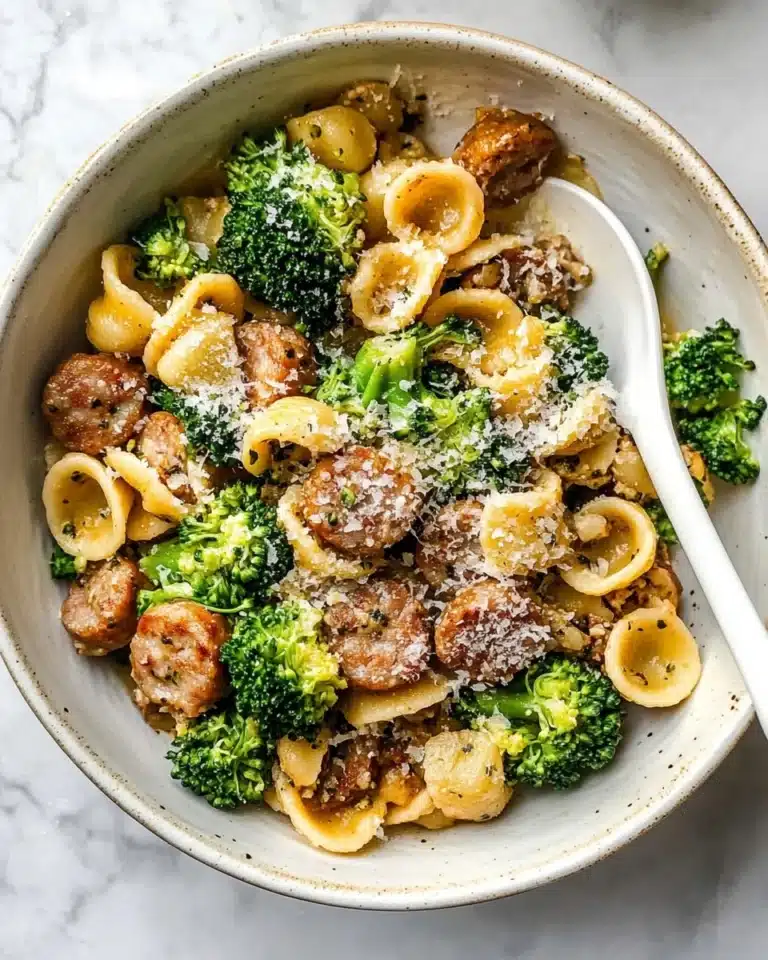
If you’re craving something comforting, wholesome, and bursting with garden-fresh flavors, I’ve got just the thing for you. **Hearty Minestrone Soup with Fresh Vegetables Recipe** is that cozy bowl of goodness that feels like a warm hug on a chilly day. Trust me, this recipe is fan-freaking-tastic — packed with tender beans, vibrant veggies, and a rich broth that will have you coming back for seconds (and thirds!). Whether you’re a seasoned home cook or just starting your soup adventures, you’ll find this minestrone super approachable and incredibly satisfying.
Why You’ll Love This Recipe
- Fresh and Nutritious: This soup is packed with vibrant vegetables and tender beans, giving you a nutrient-rich meal that’s as wholesome as it is tasty.
- Comfort in Every Spoonful: The deep flavors from slow-simmered beans and fragrant herbs make this minestrone irresistibly comforting.
- Flexible and Customizable: You can easily swap veggies or use canned beans—perfect if you’re cooking on a whim or with whatever you have on hand.
- Perfect for Meal Prep: It keeps beautifully in the fridge and actually tastes better the next day, making it an ideal make-ahead meal.

Ingredients You’ll Need
To create this hearty minestrone, you’ll want fresh, quality vegetables and pantry staples that bring rich flavor and texture together beautifully. I always recommend looking for ripe Roma tomatoes and fresh herbs—they make all the difference.

- Dried Cannellini or Borlotti Beans: These add a creamy, soft texture and great protein, but canned beans work too if you’re short on time.
- Onion: Both for soaking with the beans and for the soup base; it builds a sweet, savory foundation.
- Carrot: Adds subtle sweetness and depth; I use fresh ones for the best flavor.
- Celery: Another aromatics staple that brings a lovely earthiness.
- Garlic: Essential for that comforting, aromatic punch.
- Fresh Rosemary and Parsley: They infuse the beans and the soup with herby goodness; don’t skip them!
- Bay Leaf: Adds a subtle background warmth that rounds out the flavors.
- Salt Pork or Pancetta (optional): For those who want a smoky, rich depth—totally worth the splurge if you like a little indulgence.
- Extra-Virgin Olive Oil: For sautéing the veggies and adding richness.
- Ripe Roma Tomatoes: Peeled and chopped for a bright, fresh-tasting broth.
- Parmesan Rind (optional): Adds a fantastic umami depth if you have one lying around.
- Dried Small Pasta (like ditali or macaroni): They soak up the broth beautifully and add a fun bite.
- Fresh Zucchini and Summer Squash: Adds tender, mild veggies that balance the beans.
- Green Beans: For a little snap and color contrast.
- Spinach: Adds vibrant green color and a tender leafiness towards the end.
- Chopped Fresh Herbs (Basil, Parsley, Rosemary): To finish with a burst of fragrance and freshness.
- Freshly Ground Black Pepper: For seasoning just before serving.
Variations
I love how flexible the Hearty Minestrone Soup with Fresh Vegetables Recipe is—feel free to make it your own! Over time, I’ve experimented with swapping vegetables and even pasta shapes depending on what I have at home or what’s in season. You can easily adapt it for vegetarian or vegan diets by skipping the pancetta and Parmesan rind (or using plant-based alternatives).
- Bean Variations: I sometimes use kidney beans or even lentils when I want a different texture or don’t have cannellini beans on hand.
- Vegetable Swap: When zucchini isn’t around, adding diced butternut squash provides a lovely sweetness and richness.
- Gluten-Free: Swap regular pasta for gluten-free varieties or use extra beans and veggies for a naturally gluten-free meal.
- Long Simmer: For deeper flavor, I’ll simmer half the soup longer and stir in reserved soup at the end to keep some freshness in the vegetables.
How to Make Hearty Minestrone Soup with Fresh Vegetables Recipe
Step 1: Soak and Cook the Beans
Start by soaking your dried beans overnight in cold water with a tablespoon of salt; this helps soften them and jumpstarts flavor. Then, add the soaked beans to a large pot with onion halves, carrot, celery, garlic, rosemary, parsley, and a bay leaf, cover with water, and simmer gently until the beans are tender—about 45 minutes. Don’t rush this part! It’s where a lot of that rich, hearty body comes from. Once done, carefully discard the aromatics but save that cooking liquid; it’s pure gold for your broth.
Step 2: Sauté the Base Vegetables and Pancetta
If you’re using salt pork or pancetta, heat it in your big pot until it renders its fat and softens—this adds an amazing savory note. Then add olive oil if you need it, followed by finely chopped onion, carrot, celery, and minced rosemary. Season everything with a good pinch of salt and cook gently. The goal here is to soften (not brown) the veggies, which usually takes 10–15 minutes. This slow, loving sauté turns those humble ingredients into an aromatic, flavorful base.
Step 3: Build the Tomato and Bean Broth
Add the minced garlic next and cook until fragrant—this only takes about 30 seconds, so don’t wander off! Then stir in peeled, seeded, and chopped tomatoes and cook them down until the moisture evaporates and you start hearing that lovely frying sound. Add the reserved bean cooking liquid, tender beans, and a Parmesan rind if you have it, which layers in an umami boost. Let everything simmer for at least 10 minutes to marry the flavors. This step is where the soup really starts coming together.
Step 4: Add Pasta and Fresh Vegetables
Next up, toss in your dried pasta, zucchini, summer squash, and green beans. Simmer everything until the pasta is al dente and the veggies are tender, roughly 10 minutes. Then stir in the chopped spinach and cook until it wilts. Remember to discard the Parmesan rind at this point if you’re using one. This final fresh vegetable burst keeps the soup bright and vibrant.
Step 5: Season and Serve
Before serving, toss in freshly chopped herbs—basil, parsley, or more rosemary—and season with salt and freshly ground black pepper to taste. I love this last touch because it lifts the flavors and adds a fresh aroma. Serve hot, ideally with crusty bread for dipping in that savory broth. You’re gonna love it!
Pro Tips for Making Hearty Minestrone Soup with Fresh Vegetables Recipe
- Overnight Soaking: I learned this trick early on—it cuts down cooking time and makes beans more digestible.
- Don’t Rush the Sauté: Cooking the veggies slowly until tender—but not browned—builds a sweeter, richer flavor foundation.
- Reserve Cooking Liquid: Using the bean broth instead of plain water gives your soup a richer taste and better mouthfeel.
- Add Pasta Late If Simmering Long: I avoid mushy pasta by stirring it in 10–15 minutes before serving when simmering for a long time.
How to Serve Hearty Minestrone Soup with Fresh Vegetables Recipe

Garnishes
I love topping my bowl with a sprinkle of freshly grated Parmesan and a few torn basil leaves—it brightens the soup and adds a creamy, cheesy note. A drizzle of good-quality extra-virgin olive oil just before serving also takes this dish up a notch. For a bit of zing, sometimes a squeeze of fresh lemon juice is lovely, especially when tomatoes aren’t at their peak.
Side Dishes
You can’t go wrong with crusty bread—my favorite is a rustic Italian loaf or a chewy ciabatta for dunking. Garlic bread also pairs beautifully for a little indulgence. If you want something lighter, a simple mixed greens salad with a lemon vinaigrette complements the soup’s richness wonderfully.
Creative Ways to Present
For dinner parties, I’ve served this minestrone in hollowed-out small rustic bread bowls, which always impressed guests and kept the soup warm. Another fun idea is layering the soup with fresh herb sprigs floating on top to mimic the garden-fresh vibe. You could even pass around little bowls of fresh grated Parmesan and chili flakes so everyone can customize their own bowls at the table.
Make Ahead and Storage
Storing Leftovers
I store leftover minestrone soup in airtight containers in the fridge, and it keeps beautifully for up to 4 days. The flavors deepen overnight, and I often find the texture becomes even richer the next day—perfect for quick weekday lunches.
Freezing
This recipe freezes well too! I like to freeze it without the pasta, since cooked pasta can get mushy when reheated. Just add the pasta fresh when you reheat the frozen soup for the best texture. Portion into freezer-safe containers and label with the date.
Reheating
When reheating leftovers, I warm the soup gently over medium heat, adding a splash of water or broth if it feels too thick. If you froze it without pasta, add the dried pasta directly to the pot and cook until tender before serving. It keeps the veggies vibrant and the pasta perfectly al dente.
FAQs
-
Can I use canned beans instead of dried beans?
Absolutely! If you’re short on time, canned beans are a great substitute. Just drain and rinse about two cups of canned beans, then add them to the soup along with vegetable or low-sodium chicken stock. You’ll want to simmer the soup a bit longer—around 30 minutes—to let the flavors marry well.
-
Do I have to use pancetta or salt pork?
Not at all! While pancetta adds a rich, smoky flavor that I love, this soup tastes fantastic even without it. Just use a bit more olive oil when sautéing the veggies to keep the flavor vibrant and enjoy a delicious vegetarian or vegan version.
-
Can I make this soup ahead of time?
Yes! In fact, the Hearty Minestrone Soup with Fresh Vegetables Recipe often tastes better the next day after the flavors have had time to meld. Store it in the refrigerator for up to four days or freeze for longer storage. Just remember to add pasta fresh at reheating if you froze it separately.
-
What pasta works best in minestrone?
I recommend small-shaped pastas like ditali, macaroni, or orecchiette, which hold up well in the soup without becoming mushy. Avoid large shapes that don’t blend well with the broth and vegetables.
Final Thoughts
Hearty Minestrone Soup with Fresh Vegetables Recipe holds a special place in my kitchen because it’s simple, comforting, and endlessly adaptable. I’ve made it on lazy Sundays, rushed weekday dinners, and festive occasions alike—and it never disappoints. I encourage you to give it a try, using your favorite fresh vegetables and herbs, and watch it become your go-to soul-warming dish. Once you taste that blend of tender beans, fresh veggies, and fragrant herbs in a luscious broth, you’ll see why my family goes crazy for it. This soup is a true kitchen hug—I hope it becomes one of your favorites too!
Print
Hearty Minestrone Soup with Fresh Vegetables Recipe
- Prep Time: 10 mins
- Cook Time: 1 hr 40 mins
- Total Time: 13 hrs 50 mins
- Yield: 6 servings
- Category: Soup
- Method: Stovetop
- Cuisine: Italian
- Diet: Low Fat
Description
This classic Minestrone Soup recipe features a hearty mix of beans, fresh vegetables, and pasta simmered in a flavorful broth with savory herbs and pancetta. Perfect for a comforting meal, this soup balances rich textures and fresh flavors, making it a timeless Italian favorite that can be easily customized with seasonal ingredients.
Ingredients
For the Beans
- 8 ounces (225 g) dried cannellini, borlotti, or kidney beans
- Kosher salt
- 1 medium onion, split in half (about 6 ounces; 175 g)
- 1 medium carrot (about 3 ounces; 85 g)
- 2 celery stalks (about 3 ounces; 85 g)
- 2 medium cloves garlic
- 1 large sprig rosemary
- 2 to 3 sprigs parsley
- 1 bay leaf
For the Soup Base
- 4 ounces (115 g) salt pork or pancetta, cut into 1/4-inch dice (optional)
- 2 tablespoons (30 ml) extra-virgin olive oil, plus more as needed
- 1 medium onion, finely chopped (about 6 ounces; 175 g)
- 1 medium carrot, peeled and finely diced (about 3 ounces; 85 g)
- 2 celery stalks, finely diced (about 3 ounces; 85 g)
- 1 tablespoon (15 ml) minced fresh rosemary leaves
- 2 medium cloves garlic, minced (about 2 teaspoons; 12 g)
- 1 pound (450 g) ripe Roma tomatoes, peeled, seeded, and chopped
- 1 Parmesan rind (optional)
To Finish
- 1 cup dried small pasta, such as ditali, macaroni, or orecchiette (about 3 1/2 ounces; 100 g)
- 1 medium zucchini, cut into bite-size pieces (about 4 ounces; 115 g)
- 1 medium summer squash, cut into bite-size pieces (about 4 ounces; 115 g)
- 4 ounces green beans, cut into 1/2-inch lengths (about 115 g)
- 4 ounces spinach, roughly chopped (about 4 cups loosely packed leaves; 115 g)
- Chopped fresh herbs, such as basil, parsley, or rosemary, for serving
- Freshly ground black pepper
Instructions
- Soak the Beans: In a medium bowl, cover the dried beans with cold water by several inches and stir in 1 tablespoon of kosher salt. Let the beans soak for at least 12 hours and up to 24 hours to soften and reduce cooking time.
- Cook the Beans: Drain and rinse the soaked beans. Combine them in a large pot with the halved onion, carrot, celery, garlic cloves, rosemary sprig, parsley sprigs, bay leaf, and a pinch of salt. Cover everything with water by several inches. Bring to a boil, then reduce to a simmer and cook until the beans are tender, about 45 minutes. Skim or add water as needed during cooking. Remove and discard the vegetables and herbs using tongs. Drain the beans, reserving the cooking liquid. Transfer the liquid to a 2-quart measuring cup and add cold water to make 8 cups total.
- Prepare the Soup Base: In a large Dutch oven or stockpot, heat the pancetta (if using) and olive oil over medium-high heat. Cook while stirring until the pancetta has rendered its fat and softened but hasn’t browned yet. If no pancetta, just heat the oil until shimmering.
- Sauté Vegetables: Add the finely chopped onion, diced carrot, diced celery, and minced rosemary to the pot. Season with a generous pinch of salt. Cook, stirring often, until the vegetables soften but do not brown, about 10 to 15 minutes. Add more oil if the pot looks dry or the vegetables begin to stick.
- Add Garlic and Tomatoes: Stir in the minced garlic and cook for about 30 seconds until fragrant. Add the chopped tomatoes and cook, stirring, until most of their moisture evaporates and the mixture starts to fry lightly, changing the cooking sound to a sharper crackle.
- Simmer with Beans and Broth: Pour in the reserved bean-cooking liquid along with the cooked beans and Parmesan rind (if using). Let the soup simmer for at least 10 minutes to meld flavors.
- Add Pasta and Vegetables: Add the dried pasta, zucchini, summer squash, and green beans. Simmer until the pasta is al dente and the vegetables are tender, about 10 minutes. Add the spinach and cook, stirring occasionally, until wilted, about 5 minutes. Remove and discard the Parmesan rind.
- Final Simmer and Serve: Serve the soup immediately or continue simmering for up to 2 1/2 hours to deepen flavor and texture. For longer simmering, add pasta 10–15 minutes before serving. Optionally, reserve half the soup before long simmering and stir it back in to maintain bright vegetable flavor. Just before serving, stir in chopped fresh herbs and season with salt and freshly ground black pepper to taste.
Notes
- You can substitute canned beans for dried. Use 2 cups drained and rinsed canned beans and add 2 quarts of vegetable or low-sodium chicken stock instead of bean cooking liquid. Increase simmering time to 30 minutes before adding other ingredients.
- Use fresh, ripe tomatoes in season for best flavor. Otherwise, substitute one 14-ounce can of whole peeled tomatoes, crushed or chopped.
- A Parmesan rind added while simmering enriches the broth with deeper flavor.
- Pancetta is optional; omit it for a vegetarian version and use extra olive oil.
- For a gluten-free version, substitute gluten-free pasta for the dried pasta.
- The soup can be stored refrigerated for up to 3 days and reheated gently to preserve texture.
Nutrition
- Serving Size: 1 bowl (about 1 1/2 cups)
- Calories: 320
- Sugar: 6 g
- Sodium: 520 mg
- Fat: 9 g
- Saturated Fat: 2 g
- Unsaturated Fat: 7 g
- Trans Fat: 0 g
- Carbohydrates: 45 g
- Fiber: 9 g
- Protein: 15 g
- Cholesterol: 10 mg