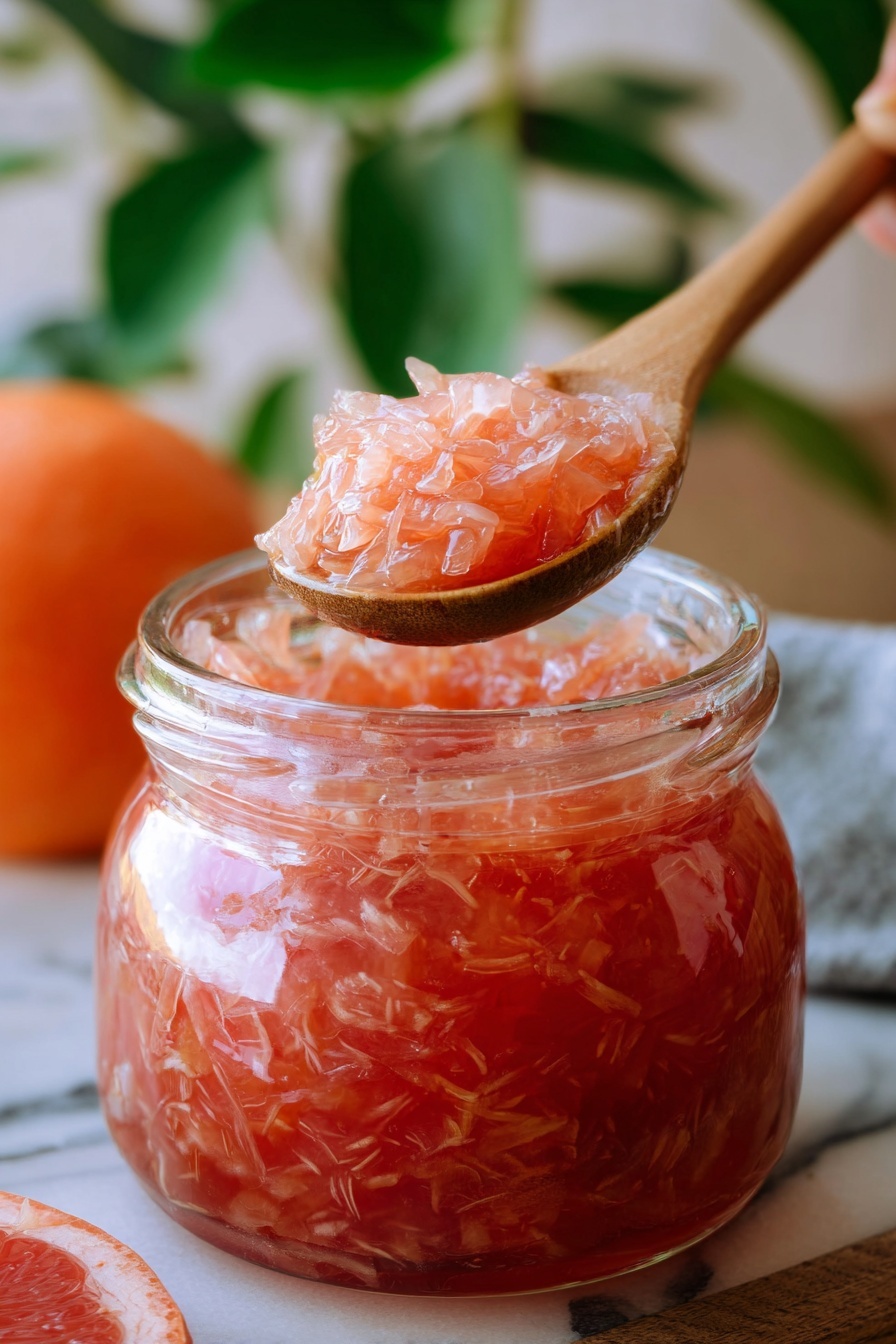
If you’ve ever stumbled upon a way to turn fresh grapefruit into a sweet, tangy, versatile syrup, you know it’s a game-changer. Let me introduce you to my all-time favorite Grapefruit Honey Cheong Recipe. This Korean-style grapefruit syrup is so luscious and fragrant, you’ll find yourself reaching for it to brighten up drinks, desserts, or even toast. Trust me, once you try this, you’ll wonder how you ever lived without it!
Why You’ll Love This Recipe
- Bright & Natural Flavor: The fresh grapefruit gives this cheong an unmistakably vibrant citrus punch that’s naturally sweetened.
- Super Simple to Make: You only need three ingredients and about 30 minutes of prep, making it totally doable even on busy days.
- Versatile Usage: Use it as a sweetener for teas, cocktails, marinades, or even drizzled over pancakes and desserts.
- Long Shelf Life: Store it in the fridge and it lasts for months, so you can always have it ready.

Ingredients You’ll Need
This recipe leans on a few simple ingredients that come together beautifully. I always recommend using ripe, juicy grapefruits and turbinado sugar for that subtle molasses note which pairs perfectly with the honey.
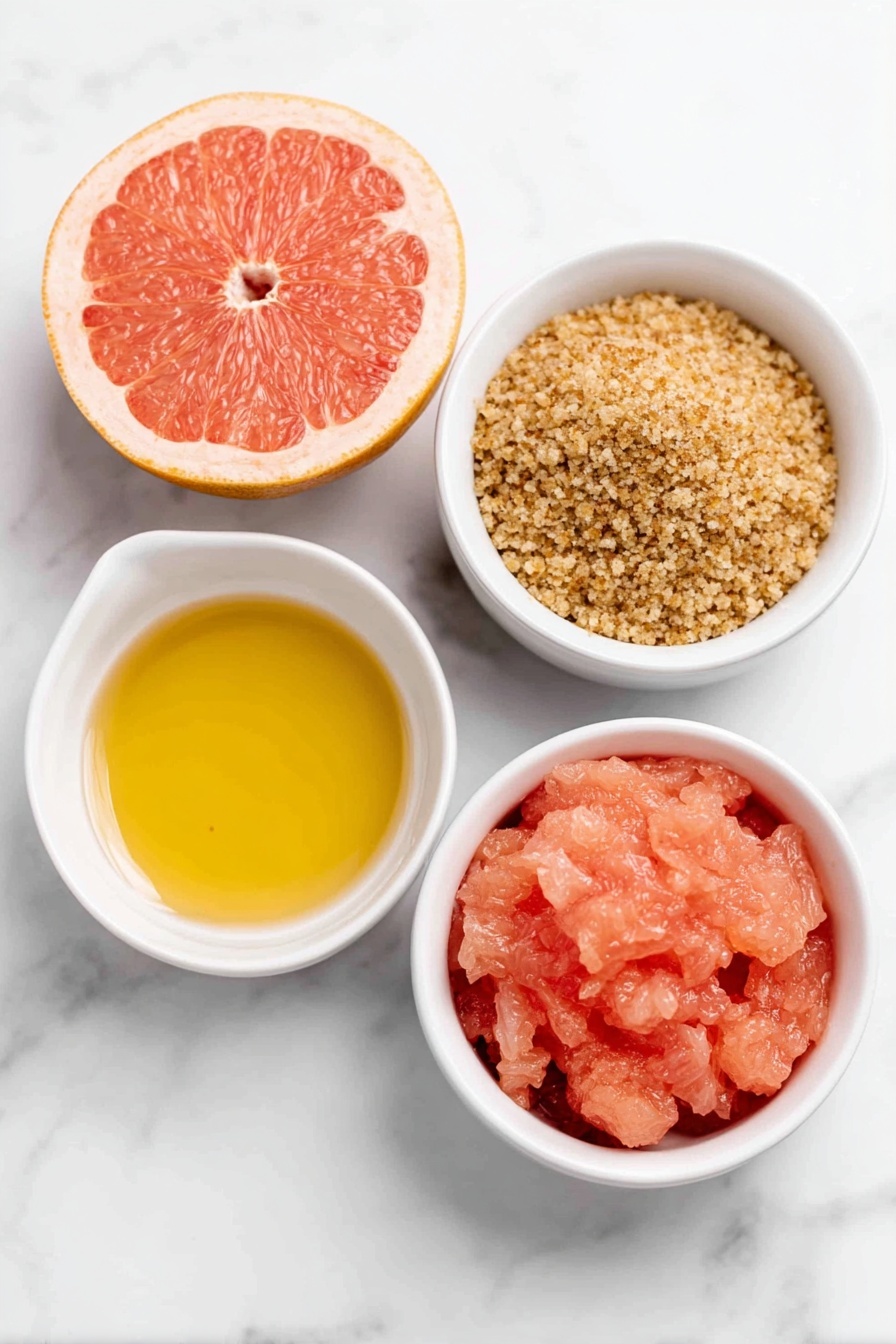
- Grapefruits: Make sure they’re firm and ripe but not overripe, as you want plenty of juice and minimal bitterness.
- Honey: A good-quality honey will add a floral sweetness; I like using wildflower or clover honey.
- Turbinado Sugar: This unrefined sugar gives more depth of flavor than regular white sugar; but if you don’t have it, white sugar is fine too.
Variations
While I truly love the classic grapefruit and honey combination, I encourage you to tweak this recipe to fit your personal taste or dietary needs. Don’t be afraid to experiment!
- All Honey Version: When I tried using only honey instead of sugar, the syrup was richer and deeper, but a little less crystalline — great if you prefer a pure honey flavor.
- Different Citrus: Swap grapefruit for oranges or a mix of citrus fruits; it’s an easy way to change it up while keeping the cheong concept.
- Less Sweet: If you like it more tart, reduce the sugar by a quarter — it cuts sweetness but keeps the vibrant zing.
- Spiced Infusion: Add a cinnamon stick or a few cloves during mixing for a warm-spiced twist that’s fantastic in cocktails.
How to Make Grapefruit Honey Cheong Recipe
Step 1: Prep and Peel Your Grapefruits
This step is key because grapefruit pith can be really bitter. I like to peel off as much of the white pith as possible — it makes a huge difference. Also, peel away the tough skin around the pulp pieces so you’re left with just juicy segments. Removing seeds is important too, or else you’ll get a bitter surprise in your cheong.
Step 2: Combine Honey, Sugar, and Grapefruit Pulp
Add the honey and turbinado sugar to the grapefruit pulp in a big bowl. My secret: I use about half honey, half turbinado sugar for the perfect sweetness balance. Then, mix everything together with your hands (gloves on, of course) to gently squeeze the juice out of the pulp and break it up. This hands-on step helps release the flavors faster and gives the cheong a lovely syrupy texture.
Step 3: Store and Let it Work Its Magic
Transfer your mixture into a sanitized airtight jar or container. I always use glass because I want to keep it pure and fresh. Store the cheong in the fridge — it’s perfectly fine to use right away, but I recommend waiting at least a week for the flavors to meld and deepen. It keeps beautifully for up to three months, so you can take your time enjoying it.
Pro Tips for Making Grapefruit Honey Cheong Recipe
- Choosing Grapefruits: Pick grapefruits that feel heavy for their size — it means they’re juicy and perfect for syrup making.
- Pulp Preparation: Don’t skimp on removing the pith and membranes; it really cuts bitterness and improves texture.
- Mixing by Hand: Breaking the pulp with your hands gently releases juices better than stirring with utensils.
- Storage Safety: Always use sterilized jars and keep refrigerated to avoid fermentation and extend shelf life.
How to Serve Grapefruit Honey Cheong Recipe

Garnishes
I love adding thin slices of fresh grapefruit or a sprig of mint when serving this cheong in drinks or desserts — it adds a fresh pop and looks beautiful too. Sometimes, a few edible flowers make it extra special for guests.
Side Dishes
This cheong is fantastic alongside brunch dishes like fluffy pancakes, yogurt parfaits, or even drizzled over oatmeal. You can also pair it with light salads or grilled chicken to add a bright citrus glaze.
Creative Ways to Present
For special occasions, I like to serve this syrup as part of a DIY beverage station with sparkling water, teas, and garnishes so guests can build their own drinks. It’s also lovely spooned over ice cream or mixed into cocktails for that refreshing zing.
Make Ahead and Storage
Storing Leftovers
I keep leftover grapefruit honey cheong in a sterilized glass jar with a tight-fitting lid in the fridge. It lasts up to 3 months, but I usually find it’s gone way before then because it’s so good. Just always use a clean spoon to scoop it out to keep it fresh.
Freezing
I haven’t personally frozen cheong because I prefer to keep the texture fresh, but if you decide to freeze it, I’d recommend small portions in airtight containers. Thaw in the fridge and stir well before use, as the sugar can crystallize slightly.
Reheating
Usually, this syrup is enjoyed cold or at room temperature, but if you want to gently warm it up to drizzle on warm dishes, just heat it briefly in a small bowl over a double boiler or low microwave bursts. Avoid overheating to keep the honey’s delicate flavors intact.
FAQs
-
Can I use other types of citrus for this recipe?
Absolutely! While grapefruit brings a nice balance of sweet and tart, you can substitute or combine with oranges, lemons, or even yuzu. Just keep the 1:1 ratio of citrus to sweetener to maintain the syrup’s texture and sweetness.
-
Why do you recommend turbinado sugar over white sugar?
Turbinado sugar has a light molasses flavor that adds complexity and depth to the syrup, enhancing the natural grapefruit notes. White sugar works fine but tastes a bit simpler and less nuanced.
-
How long should I let the Grapefruit Honey Cheong rest before using?
I find that waiting at least a week in the fridge really allows the flavors to marry and deepen. You can use it immediately if you’re impatient, but the taste mellows and improves with time.
-
Can I make this cheong without honey?
Yes, you can use sugar only if you prefer, but using some honey adds complexity and a delicate floral sweetness that’s hard to replicate. I recommend at least half honey for best results.
Final Thoughts
This Grapefruit Honey Cheong Recipe holds a special place in my kitchen — it’s one of those effortless homemade staples that feels fancy but is so simple to make. I love how it instantly perks up everything from a cup of hot tea to homemade cocktails or desserts. I hope once you make it, you’ll enjoy discovering all the delicious ways it can brighten your cooking and drinks, just like I do. Go ahead, give it a try — your taste buds will thank you!
Print
Grapefruit Honey Cheong Recipe
- Prep Time: 30 minutes
- Cook Time: 0 minutes
- Total Time: 30 minutes
- Yield: About 2 lbs (32 oz) grapefruit honey cheong
- Category: Condiment
- Method: No-Cook
- Cuisine: Korean
Description
A refreshing and naturally sweet grapefruit honey cheong (syrup) made by combining fresh grapefruit pulp with honey and turbinado sugar. This versatile syrup can be used to enhance teas, cocktails, or desserts with a bright citrus flavor and natural sweetness.
Ingredients
Fruits
- 2 grapefruits
Sweeteners
- 1/2 lb honey
- 1/2 lb turbinado sugar (or white sugar, turbinado preferred)
Instructions
- Prepare the Grapefruit: Peel the grapefruits, carefully removing as much of the white pith as possible to avoid bitterness.
- Section the Grapefruit: Peel off the membrane surrounding each pulp segment and remove all seeds to ensure a smooth syrup.
- Add Sweeteners: Combine the grapefruit pulp with 1/2 lb honey and 1/2 lb turbinado sugar. You can use only honey or only sugar if desired, keeping the grapefruit to sweetener ratio at 1:1.
- Mix and Extract Juice: Thoroughly mix the ingredients, breaking up the pulp with your hands (use gloves) to squeeze out as much juice as possible. This speeds up the syrup formation.
- Store the Syrup: Transfer the mixture to a sanitized, airtight glass container. Refrigerate and allow it to rest for 1 week for best flavor development, though it can be used immediately.
- Refrigerate and Use: Keep the grapefruit honey cheong refrigerated for up to 3 months for optimal freshness.
Notes
- The ratio of grapefruit to sweetener is 1:1 by weight.
- You can adjust the sweetener ratios depending on preferred sweetness; either all honey or all sugar works fine.
- Using turbinado sugar provides a richer flavor compared to white sugar.
- Wear gloves when mixing to protect your hands and for hygiene.
- Best results are after resting in the fridge for 1 week but can be used immediately.
- Store in an airtight container to maximize shelf life.
Nutrition
- Serving Size: 2 tbsp (30g)
- Calories: 90
- Sugar: 22g
- Sodium: 0mg
- Fat: 0g
- Saturated Fat: 0g
- Unsaturated Fat: 0g
- Trans Fat: 0g
- Carbohydrates: 24g
- Fiber: 1g
- Protein: 0g
- Cholesterol: 0mg