If you’re craving something warm, soothing, and quick to make, this Easy Miso Soup Recipe might just become your new go-to. It’s incredibly simple but delivers that satisfying umami punch that makes you want to cozy up instantly. I love this recipe because it’s fuss-free, gluten-free, and totally customizable — perfect for both busy weeknights and lazy Sundays. Keep reading, and I’ll walk you through all the tips I’ve discovered so you can nail it every time!
Why You’ll Love This Recipe
- Super Quick to Make: From start to finish, you’ll have this comforting soup ready in under 10 minutes.
- Customizable Flavors: Choose white, yellow, or red miso to suit your taste and mood every time.
- Gluten-Free Friendly: Perfect for those watching gluten without missing out on flavor.
- Light Yet Filling: With tofu and seaweed, it’s a nutritious bowl that feels like a warm hug.

Ingredients You’ll Need
Each ingredient plays a simple but essential role in this Easy Miso Soup Recipe. You’ll find that the combination of miso paste and hondashi powder brings a rich depth, while tofu and wakame add texture and nutrition. Here’s what you’ll want to pick up at the store for the best results.

- Water: The base for your broth — clean, fresh water will make a noticeable difference in taste.
- Hondashi powder: This instant dashi seasoning saves you loads of time and adds authentic umami flavor.
- Wakame seaweed: Use dried wakame that you can easily break into smaller pieces for convenience and easier eating.
- Tofu: I prefer firm tofu because it holds up well, but silken tofu works beautifully if you want a softer texture.
- Miso paste: White, yellow, or red — each brings a different flavor profile, so pick what suits you or experiment!
- Green onion: Optional, but thinly sliced green onions add a lovely fresh crunch and color.
Variations
One of the reasons I keep coming back to this easy miso soup recipe is how flexible it is. You can easily swap or add ingredients to keep things fresh and exciting. Don’t be afraid to make this your own!
- Add Mushrooms: I love tossing in some sliced shiitake mushrooms when I want a heartier soup — they boost umami and texture.
- Try Different Miso Types: When I first tried red miso, it was a game changer—the flavor gets richer and deeper, but I dial it back to 3 tablespoons because it’s more potent.
- Vegetarian or Vegan: This recipe is naturally vegetarian and vegan-friendly, but double-check your miso paste to avoid hidden animal products.
- Extra Protein: For a more filling bowl, add cooked shrimp or sliced chicken breast — just warm through with the broth.
How to Make Easy Miso Soup Recipe
Step 1: Bring Your Broth to Life
Start by bringing 4 cups of water to a boil in your favorite soup pot. Once boiling, stir in 1 teaspoon of hondashi powder, your wakame seaweed pieces, and tofu cubes. This is where the magic begins — the hondashi infuses that signature dashi flavor without any hassle. Just remember, the water should be at a rolling boil before adding ingredients for best flavor extraction.
Step 2: Simmer to Rehydrate
Allow the soup to return to a boil, then lower the heat to a high simmer. Let it simmer gently for about 3 minutes, which lets the wakame rehydrate and tofu soak up the savory broth. I always watch carefully during this step because the soup shouldn’t boil too vigorously or the delicate seaweed can get mushy.
Step 3: The Miso Paste Moment
This next part is crucial: turn off the heat before adding your miso paste. To avoid lumps and retain miso’s probiotics, use a small strainer or ladle to dissolve 4 tablespoons of miso paste into some hot soup, then stir it back into the pot. If you don’t have a strainer handy, scoop out a little soup to mix with the miso, then add it back. Trust me, that extra step ensures a smooth, flavorful finish without ruining the goodness from boiling the miso.
Step 4: Final Touches and Serve
Stir in the thinly sliced green onions if you’re using them, then ladle the soup into bowls while it’s still piping hot. This easy miso soup recipe shines best fresh, and you’ll love how the flavors come together with every spoonful. Plus, it’s super satisfying to make and enjoy within minutes!
Pro Tips for Making Easy Miso Soup Recipe
- Don’t Boil the Miso: Adding miso paste after turning off the heat preserves its probiotics and deep flavor.
- Cut Wakame Small: Breaking wakame into smaller pieces before soaking avoids those large, rubbery seaweed bites nobody likes.
- Taste and Adjust: I always taste the soup before the final step and add a little extra miso or hondashi if needed—it varies by brand.
- Use Fresh Ingredients: Fresh green onions and good quality tofu make a surprisingly big difference in flavor.
How to Serve Easy Miso Soup Recipe

Garnishes
I usually keep it simple with sliced green onions because they brighten up the soup and add a bit of fresh crunch. Sometimes, I sprinkle a little toasted sesame seed on top or a splash of chili oil for a kick. If I’ve got it, a few shreds of nori or shredded carrot also add nice color and texture to the bowl.
Side Dishes
This soup pairs beautifully with steamed rice and pickled vegetables. When I want a full meal, I grab some edamame or a simple cucumber salad dressed with rice vinegar and sesame oil — everything complements the miso’s umami notes without overwhelming it.
Creative Ways to Present
For a special occasion, I like using small, rustic bowls and adding edible flowers or microgreens on top. Floating a thin lemon slice or a sprig of fresh herbs like cilantro can transform this humble soup into an elegant starter. It’s always a hit when I serve it like this to guests — plus, it looks stunning in photos!
Make Ahead and Storage
Storing Leftovers
I usually keep leftover miso soup in an airtight container in the fridge for up to 2 days. Just keep in mind the tofu will absorb more broth over time and the wakame might get softer, so it’s best enjoyed fresh but still delicious reheated.
Freezing
I don’t typically freeze miso soup because the tofu and seaweed texture changes and can become mushy. If you need to make a bigger batch ahead, I recommend freezing the broth separately, then adding fresh tofu and wakame when reheating.
Reheating
When reheating, warm the soup gently on low heat until hot, but don’t boil it again because that can dull the miso’s flavor. I usually add a little splash of water or broth if the soup has thickened or reduced too much.
FAQs
-
Can I use regular miso paste instead of gluten-free?
Absolutely! While this recipe highlights gluten-free miso paste, regular miso paste works just as well if you don’t have gluten sensitivity. Just double-check the label if you need to avoid gluten, as some brands may contain barley or wheat.
-
What’s hondashi powder, and can I skip it?
Hondashi powder is an instant dashi broth seasoning that adds rich umami flavor quickly without the need to simmer dried fish or kelp. You can skip it and substitute with homemade dashi or vegetable broth, but hondashi is super convenient and authentic tasting.
-
How do I prevent the miso from clumping?
The trick is to never boil miso directly. Instead, dissolve the miso paste in a small amount of hot broth using a strainer or ladle, then stir it back in. This method ensures smooth incorporation without lumps.
-
Can I add other veggies to this miso soup?
Definitely! Some great add-ins include sliced mushrooms, carrots, baby spinach, or even daikon radish. Just add them early enough in the simmer stage so they cook through but still maintain some texture.
-
How do I store leftover miso soup?
Store leftovers in an airtight container in the fridge for up to 2 days. Avoid freezing the soup with tofu and seaweed, as the textures can become unpleasant. Reheat gently on low heat and avoid boiling.
Final Thoughts
I have to say, this Easy Miso Soup Recipe has become a comforting staple in my kitchen. It’s one of those dishes that feels effortlessly fancy but takes hardly any time — perfect for whenever you want a little taste of home or just need something soothing after a long day. Give it a try, and I’m confident you’ll keep coming back for more. Once you get the hang of these simple steps and personalize it with your favorite variations, miso soup will feel like your secret weapon for quick, healthy meals.
Print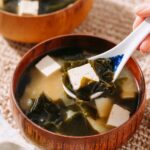
Easy Miso Soup Recipe
- Prep Time: 2 minutes
- Cook Time: 6 minutes
- Total Time: 8 minutes
- Yield: 4 servings
- Category: Soup
- Method: Stovetop
- Cuisine: Japanese
- Diet: Gluten Free
Description
A simple, traditional Japanese miso soup recipe that is gluten free and quick to prepare. This easy miso soup combines flavorful hondashi broth, rehydrated wakame seaweed, soft tofu cubes, and savory miso paste, garnished with fresh green onions for a comforting appetizer or light meal.
Ingredients
Broth and Soup Base
- 4 cups water
- 1 teaspoon hondashi powder
- ¼ cup wakame seaweed, cut or broken into smaller ½ inch pieces
Main Ingredients
- 8 ounces tofu, drained and cut into ½ inch cubes or smaller
- 4 tablespoons gluten free miso paste (white, yellow, or red miso)
Garnish (optional)
- 1 stalk green onion, thinly sliced
Instructions
- Prepare the broth: Heat 4 cups of water in a pot to a boil. Add 1 teaspoon of hondashi powder, ¼ cup of wakame seaweed, and the 8 ounces of tofu cubes to the boiling water.
- Simmer the soup: Once the mixture returns to a boil, reduce the heat to high simmer. Let the soup simmer for about 3 minutes or until the wakame seaweed is fully rehydrated and tender.
- Dissolve the miso paste: Turn off the heat. Using a strainer, dissolve 4 tablespoons of gluten free miso paste into the soup by ladling some broth through the miso in the strainer until smooth. If you don’t have a strainer, scoop out a small amount of soup into a bowl, mix in the miso paste until fully dissolved, then add it back into the pot. Stir gently to combine.
- Add garnish and serve: Add the thinly sliced green onion stalk to the soup. Serve the miso soup hot and enjoy immediately.
Notes
- Refer to the original post for step-by-step photos, tips, and FAQs.
- Miso paste: White miso is creamier and sweeter, while red miso is saltier and richer. Adjust the miso quantity to your taste; for richer flavor, use 3 tablespoons of red miso instead of 4 tablespoons of white or yellow miso.
- Tofu: Silken tofu is common in miso soup but feel free to use your preferred firmness.
- Wakame seaweed expands after rehydration; breaking it into smaller pieces makes it easier to eat.
- Hondashi powder is an instant dashi stock alternative that saves time compared to making dashi from scratch.
Nutrition
- Serving Size: 1 cup (approximately 1/4 of recipe)
- Calories: 60
- Sugar: 1 g
- Sodium: 700 mg
- Fat: 2 g
- Saturated Fat: 0.3 g
- Unsaturated Fat: 1.5 g
- Trans Fat: 0 g
- Carbohydrates: 5 g
- Fiber: 1 g
- Protein: 5 g
- Cholesterol: 0 mg