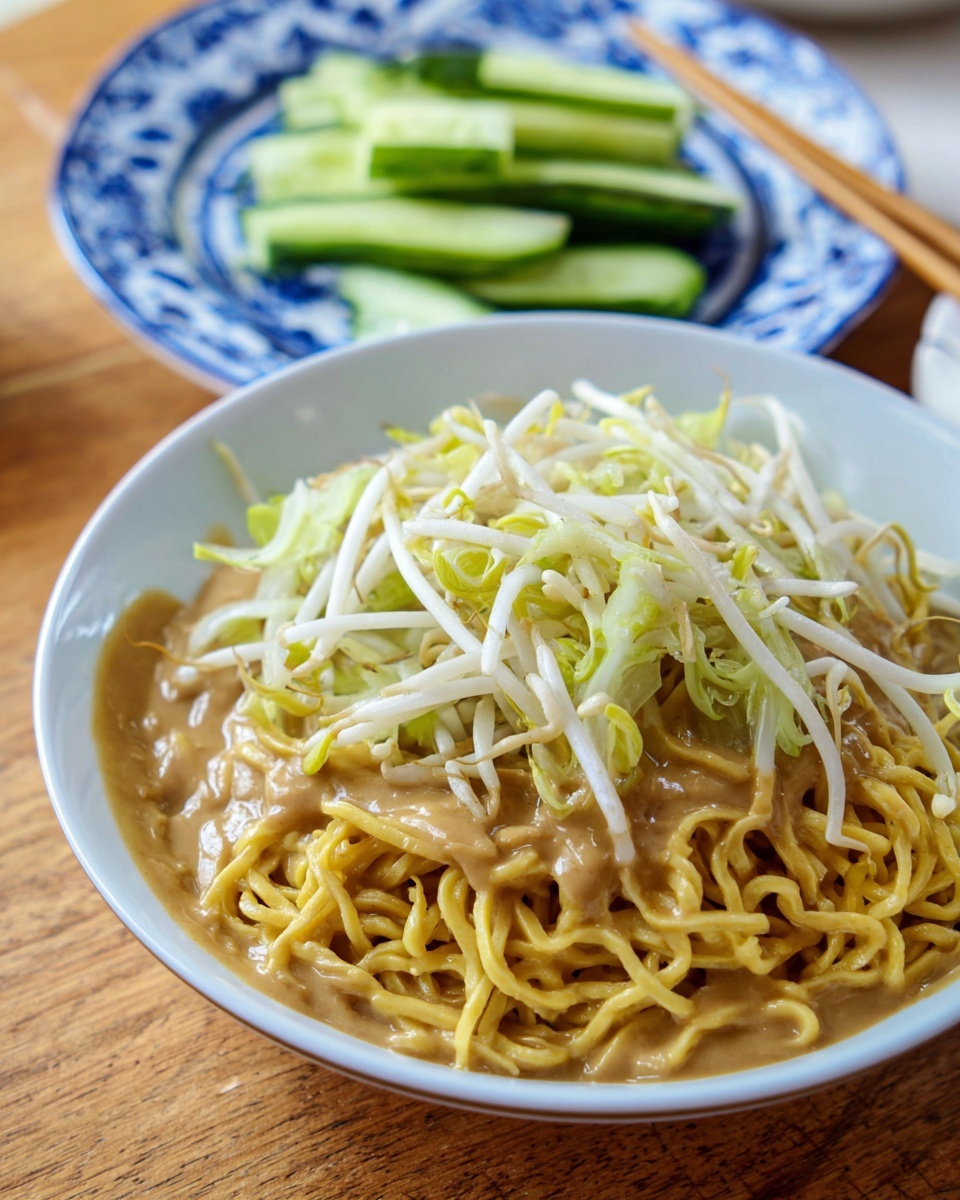
If you’re craving something quick, flavorful, and downright comforting, then you’re going to love this 10-Minute Taiwanese Cold Noodles Recipe. I stumbled upon this gem when I wanted a refreshing noodle dish that doesn’t involve hours in the kitchen – and trust me, it’s become an absolute staple in my rotation. If you like the nutty aroma of toasted sesame mixed with just the right balance of savory, sweet, and tangy, this recipe simply nails it in no time.
Why You’ll Love This Recipe
- Speedy Prep: Ready in just 10 minutes, perfect for busy weeknights or last-minute meals.
- Authentic Flavor: Captures that rich, nutty sesame taste Taiwanese cold noodles are famous for.
- Versatility: Serve hot or cold, and customize with your favorite toppings easily.
- Simple Ingredients: Uses stuff you probably already have in your kitchen or easy to find at any Asian store.

Ingredients You’ll Need
Each ingredient plays a role in creating that classic Taiwanese cold noodle flavor — from the creamy Chinese sesame paste to the slightly tangy black vinegar. I recommend using fresh bean sprouts for that satisfying crunch and spring onions to brighten it all up.
- Chinese sesame paste: This is the heart of the sauce and gives it that deep, toasted nuttiness.
- Sesame oil: Adds extra aroma and richness; double it if you swap in peanut butter instead of sesame paste.
- Garlic (crushed): Fresh garlic infuses the sauce with a punchy, savory kick.
- Light soy sauce: Brings umami and saltiness without overpowering the other flavors.
- Chinese/Taiwanese black vinegar: Slightly sweet and sharp; if you can’t find it, rice vinegar works well.
- Fine sugar: Balances the tanginess with a subtle sweetness you’ll notice but won’t overpower.
- Fine salt: To season the sauce and cooking water for the noodles.
- Ground white pepper: Adds gentle warmth; black pepper is a fine substitute.
- Egg or buckwheat noodles: Choose your favorite type, but fresh noodles make this dish especially tender.
- Beansprouts: For crunch and a little freshness to contrast the rich sauce.
- Spring onions (thinly sliced): Adds a pop of color and that mild onion flavor at the end.
Variations
I like to keep this recipe pretty classic, but it’s super easy to customize depending on what you have or your mood. Feel free to get creative — you really can’t go wrong with this one.
- Add protein: Toss in shredded chicken, sliced pork, or even tofu cubes to make it more filling – I sometimes add leftover roast chicken for a quick dinner.
- Spicy twist: I discovered that a drizzle of chili oil, like Lee Kum Kee’s Chiu Chow chili oil, takes it to a whole new level of delicious heat.
- Vegetable swap: Instead of beansprouts, try julienned cucumber or shredded carrots for a different crunch and freshness.
- Nut butter swap: If you only have peanut butter, double the sesame oil to keep the sauce luscious and not too thick.
How to Make 10-Minute Taiwanese Cold Noodles Recipe
Step 1: Whip Up the Flavor-Packed Sauce
Start by mixing the Chinese sesame paste, sesame oil, crushed garlic, light soy sauce, black vinegar, sugar, salt, and white pepper in a bowl. Give it a good stir – a little thicker and stronger tasting than you’d expect because it’ll mellow once you add the noodle water. This step sets the tone for that signature glossy sauce, so don’t rush it. Taste and adjust seasoning; if it seems too thick or overwhelming, you’re probably right!
Step 2: Cook Noodles and Beansprouts Together
Boil a pot of lightly salted water and add your noodles according to the package instructions (usually about 3-4 minutes for fresh egg noodles). About 90 seconds before they’re done, toss in the beansprouts so they stay crisp but cook just enough. This trick, which I picked up from Taiwanese street food vendors, keeps everything perfectly tender-crisp without extra washing or prep.
Step 3: Reserve Cooking Water & Loosen The Sauce
Drain the noodles and beansprouts but be sure to save about 150-200ml of the cooking water. This starchy water is gold for thinning out the sauce and giving it that irresistible sheen. Mix it into your sauce until it has the right texture — loose enough to coat but still thick enough to cling to the noodles.
Step 4: Assemble and Serve
Place the noodles and beansprouts in serving bowls, scatter the thinly sliced spring onions on top, then pour your glossy sauce over everything. I like to leave the mixing to my guests so they can get it just how they like — plus, it keeps the noodles fresh and springy instead of soggy. Optional extras? Taiwanese cucumber salad or a spoonful of chili oil are just heavenly companions here.
Pro Tips for Making 10-Minute Taiwanese Cold Noodles Recipe
- Keep the sauce potent: I learned not to dilute the sauce too soon — make it strong so it stays flavorful once thinned with hot water.
- Don’t overcook noodles: Noodles should be just al dente since they’ll soften further when tossed with the sauce.
- Add bean sprouts last: They love a quick 90-second boil to stay crunchy and fresh, which gives great texture to every bite.
- Customize saltiness carefully: Always taste and adjust since soy sauce brands vary widely in salt content.
How to Serve 10-Minute Taiwanese Cold Noodles Recipe
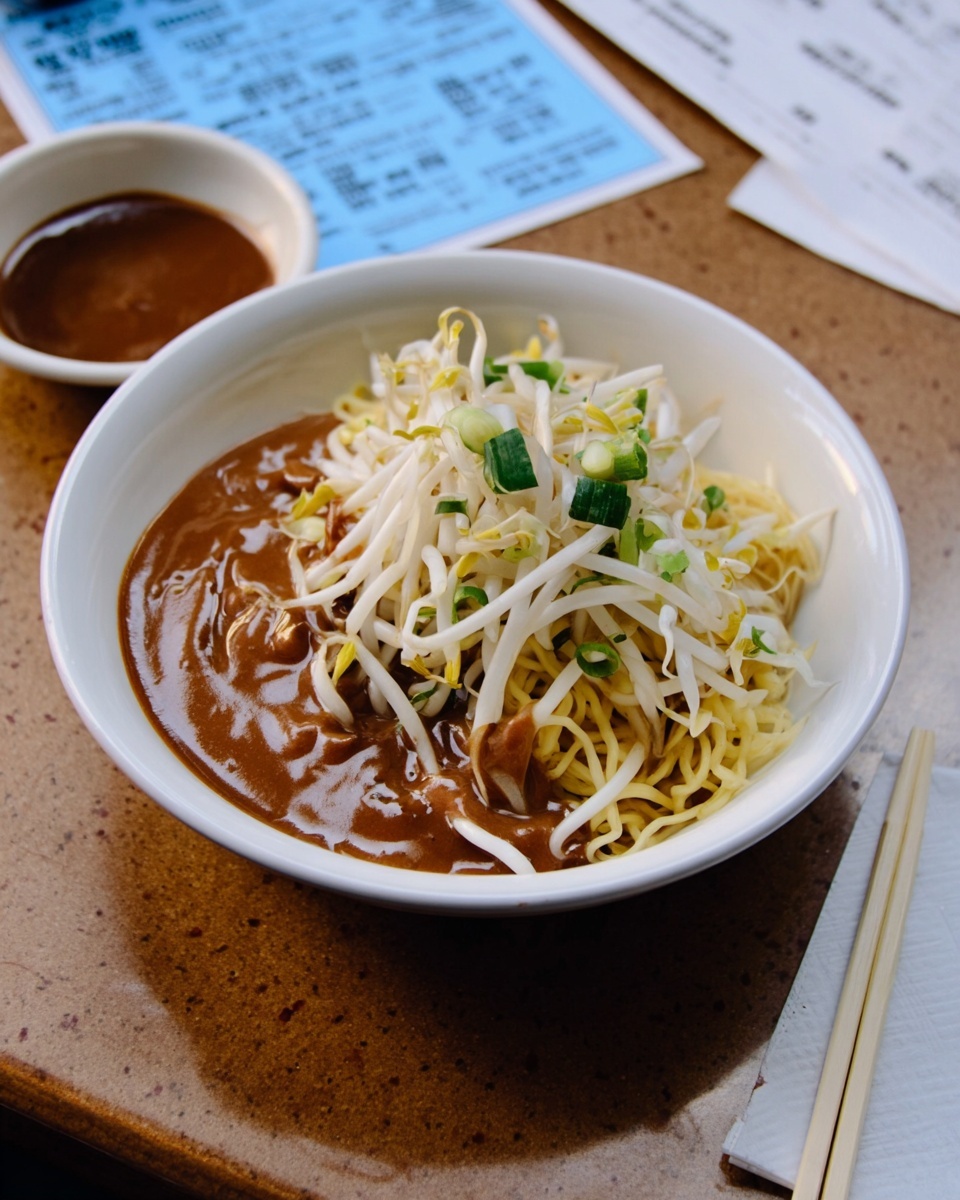
Garnishes
I’m all about simple but impactful garnishes here — thinly sliced spring onions add a fresh bite and color, while a drizzle of chili oil gives it that lovely heat and fragrance I crave. Sometimes I throw in crushed peanuts for a crunchy surprise that pairs beautifully with the silky sauce.
Side Dishes
My favorite pairing is a tangy Taiwanese cucumber salad to balance the richness of the noodles, or some spicy pickled vegetables. If you want something heartier, steamed dumplings or a simple bowl of miso soup round out the meal perfectly.
Creative Ways to Present
For casual dinners, I like to serve the noodles individually in pretty bowls and let everyone add toppings to their preference — it feels interactive and fun. At parties, I’ve arranged the noodles in a large shallow dish topped with vibrant veggies and herbs, making it a colorful centerpiece that invites sharing.
Make Ahead and Storage
Storing Leftovers
I usually store leftover noodles and sauce separately in airtight containers in the fridge for up to 2 days. This helps keep the noodles from getting mushy. Just toss them together again when ready to eat — adding a splash of warm water helps loosen things up.
Freezing
I don’t recommend freezing this recipe because fresh noodles and the delicate sauce textures tend to get compromised. It’s such a quick dish to make, I find it easier to whip up a fresh batch.
Reheating
If you need to reheat, I gently warm the noodles with a little bit of water in a skillet or microwave, then mix with the sauce at room temperature. Avoid overheating or your noodles might turn gummy and the sauce can get oily.
FAQs
-
Can I use peanut butter instead of Chinese sesame paste in the 10-Minute Taiwanese Cold Noodles Recipe?
Yes! Peanut butter can be used as a substitute if you don’t have Chinese sesame paste on hand, but you’ll want to double the amount of sesame oil to maintain that rich, nutty texture. Just keep in mind the flavor will be a little different — peanut butter is sweeter and less intense than toasted sesame.
-
Is it better to eat these noodles hot or cold?
This dish works wonderfully either way. I personally love it cold on warm days for a refreshing meal, but it’s just as comforting warm during cooler seasons. The sauce complements both temperatures beautifully.
-
Can I make this recipe gluten-free?
Absolutely. Swap the noodles for gluten-free rice noodles or another gluten-free variety, and make sure to use gluten-free soy sauce. The sauce ingredients are naturally gluten-free otherwise, so it’s an easy adapt.
-
How do I prevent the noodles from sticking together?
Rinsing cooked noodles under cold water right after draining helps remove excess starch that causes sticking. Also, tossing them quickly in a little sesame oil before mixing in the sauce keeps noodles silky and separate.
Final Thoughts
I absolutely love how this 10-Minute Taiwanese Cold Noodles Recipe comes together so quickly without compromising any depth of flavor – it feels like a little bowl of authentic Taiwan right on my plate. It’s been a lifesaver on hectic days and a guaranteed crowd-pleaser when friends drop by. If you try it once, I’m confident it’ll land in your home menu just like it did in mine. Give it a go and enjoy every nutty, garlicky bite!
Print
10-Minute Taiwanese Cold Noodles Recipe
- Prep Time: 5 minutes
- Cook Time: 5 minutes
- Total Time: 10 minutes
- Yield: 2 servings
- Category: Noodles
- Method: Stovetop
- Cuisine: Taiwanese
Description
This 10-minute authentic Taiwanese cold noodles recipe features a rich and glossy sesame paste sauce combined with tender noodles, crunchy beansprouts, and fresh spring onions. The balanced flavors of toasted sesame, soy, vinegar, and garlic create a deliciously savory and slightly tangy dish perfect for a quick meal, served hot or cold with optional cucumber salad and chili oil for extra zest.
Ingredients
Sauce Ingredients
- 4 tbsp Chinese sesame paste
- 2 tbsp sesame oil (double if using peanut butter)
- 6 cloves of garlic (crushed)
- 6 tsp light soy sauce
- 1 tsp Chinese/Taiwanese black vinegar (or rice/wine vinegar)
- 2 tsp fine sugar
- ½ tsp fine salt
- 1 tsp ground white pepper (or a generous grind of black pepper)
Main Ingredients
- 280 g egg or buckwheat noodles (4 nests)
- 160 g beansprouts (2 handfuls)
- 4 spring onions (thinly sliced)
Instructions
- Prepare the Sauce: Mix all the sauce ingredients including sesame paste, sesame oil, crushed garlic, light soy sauce, vinegar, sugar, salt, and white pepper in a bowl. Taste and adjust seasoning for a powerful sesame flavor that is reasonably salty, with subtle sourness and sweetness in the background.
- Cook Noodles: Bring a pot of lightly salted water to a boil. Add the noodles and cook according to package instructions until al dente.
- Add Beansprouts: About 90 seconds before the noodles finish cooking, add the beansprouts to the boiling water to soften slightly.
- Drain and Reserve Water: Drain the noodles and beansprouts together, reserving about 150-200 ml of the cooking water.
- Loosen the Sauce: Add the reserved cooking water to the sauce mixture and stir well. This will thin the sauce and give it a glossy texture to coat the noodles nicely.
- Serve: Place the noodles and beansprouts into serving bowls and scatter the thinly sliced spring onions on top. Pour the loosened sauce over and allow diners to mix the noodles themselves.
- Optional: Enhance with a Taiwanese cucumber salad and a drizzle of chili oil such as Lee Kum Kee Chinese Chiu Chow chili oil for added flavor and spice.
Notes
- This dish delivers a hearty and satisfying meal with a thick, glossy sesame sauce.
- It can be enjoyed either hot or cold, making it versatile for different seasons and preferences.
- Adjust seasoning carefully since the sauce dilutes when mixed with noodles.
- Doubling the sesame oil is recommended if substituting peanut butter in the sauce.
- For extra spice, adding chili oil is optional but highly recommended.
Nutrition
- Serving Size: 1 serving (approx. 210 g)
- Calories: 450 kcal
- Sugar: 4 g
- Sodium: 900 mg
- Fat: 18 g
- Saturated Fat: 3 g
- Unsaturated Fat: 14 g
- Trans Fat: 0 g
- Carbohydrates: 58 g
- Fiber: 3 g
- Protein: 15 g
- Cholesterol: 45 mg